Tag: nutrition

  • Post-Antibiotics: Are We Ready for Life Beyond Traditional Antibiotics?

    Introduction: The End of the Antibiotic Era?

    Since their discovery, antibiotics have saved millions of lives and transformed modern medicine. Yet, we are now entering a critical crossroads: antimicrobial resistance (AMR) is rising at an alarming rate.
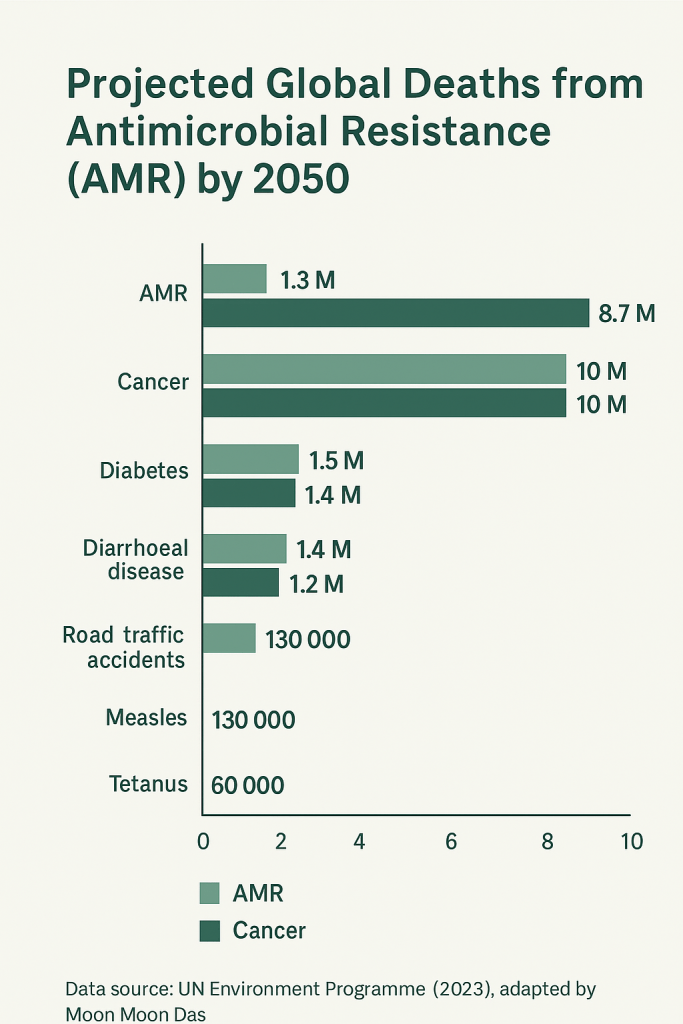
    The World Health Organization (WHO) warns that by 2050, drug-resistant infections could kill more people each year than cancer.

    If antibiotics lose their effectiveness, even routine surgeries and minor injuries could once again become life-threatening. This looming crisis has ignited an urgent search for alternatives — natural, microbial, and technological — that might help us outsmart resistant pathogens.

    But a key question remains: Are these new therapies ready for everyday use?
    Why We Need Alternatives to Antibiotics

    Antibiotics are losing their edge because of three interlinked factors:

    1. Overuse: Excessive use in humans, livestock, and agriculture accelerates resistance.
    2. Spread of Superbugs: Strains like MRSA and CRE are spreading globally.
    3. Declining Drug Development: Few new antibiotics are reaching the market, as pharmaceutical incentives dwindle.

    Without new solutions, we risk slipping back into a pre-antibiotic age.

    Nature’s Hidden Arsenal: Emerging Alternatives

    Scientists are developing a diverse set of strategies to supplement or even replace antibiotics. Each offers a glimpse into a possible post-antibiotic future.

    1. Phage Therapy

    Bacteriophages — viruses that infect bacteria — can precisely target and destroy pathogens.

    • Advantage: Highly specific; they spare beneficial microbes.
    • Example: In 2019, a UK teenager was rescued from a deadly Mycobacterium infection using engineered phages.
    • Status: In clinical trials, with some compassionate-use success stories.

    2. Antimicrobial Peptides (AMPs)

    Small proteins such as defensins and frog-skin peptides that puncture bacterial membranes.

    • Advantage: Broad-spectrum activity against multiple pathogens.
    • Challenge: Expensive to produce and prone to degradation inside the body.

    3. CRISPR-Based Antimicrobials

    This gene-editing technology can disable resistance genes or selectively kill harmful bacteria.

    • Promise: Precision targeting with minimal collateral damage to healthy microbes.
    • Status: Still in preclinical research but holds immense potential for precision medicine.

    4. Microbiome-Based Therapies

    Harnessing “good” bacteria to outcompete pathogens.

    • Example: Fecal microbiota transplantation (FMT) already treats recurrent C. difficile infections.
    • Future Potential: Designer probiotics and live biotherapeutics may one day prevent or treat a range of infections.

    5. Nanotechnology

    Metallic and polymer-based nanoparticles can penetrate bacterial biofilms — protective layers that block many antibiotics.

    • Application: Used in wound dressings and antimicrobial coatings for medical surfaces.

    6. Immunotherapies and Vaccines

    Rather than attacking bacteria directly, these approaches boost the body’s immune defense.

    • Example: New vaccines are being developed to target resistant bacterial strains.

    Together, these innovations form the foundation of a post-antibiotic arsenal that may transform how we treat infection.


    From Lab to Pharmacy: How Accessible Are These Options?

    Scientific breakthroughs mean little without accessibility. Here’s how close some alternatives are to everyday use:

    TherapyAvailability
    ProbioticsReadily available in stores, mainly for wellness support rather than infection treatment.
    Silver-based nanoparticle dressingsUsed in hospitals, especially for burn care.
    Phage therapyOffered in specialized clinics (e.g., Georgia and Poland) under limited conditions.
    Fecal microbiota transplant (FMT)FDA-approved for certain gut infections in the U.S.

    While you can’t yet buy a “phage pill” at your local pharmacy, the transition has begun.


    The Road Ahead: What the Future Might Look Like

    Experts envision a blended future — not a world without antibiotics, but one where smarter, targeted, and sustainable therapies take center stage.

    • Precision Therapy: Custom phages or probiotics tailored to individual infections.
    • Preventive Medicine: Microbiome-based strategies and vaccines reduce antibiotic reliance.
    • At-Home Kits: Rapid infection tests linked to targeted treatments, much like COVID-19 test kits.
    • Combination Therapies: Nanoparticles, peptides, and low-dose antibiotics working together to outsmart resistance.

    The Challenges

    • Cost: Advanced therapies may initially be expensive, raising equity concerns.
    • Regulation: Agencies struggle to classify living or hybrid biological drugs.
    • Access: Ensuring these innovations reach lower-income regions is vital.
    • Public Awareness: Many people remain unaware of antibiotic alternatives or the importance of using antibiotics responsibly.

    Is It Realistically Possible for Common People?

    Short-term (Now – 5 years):
    Limited access to alternatives like FMT, probiotics, and silver-based wound care. Phage therapy remains experimental.

    Medium-term (5 – 15 years):
    Phage therapy and microbiome-based drugs enter wider clinical use. Hospitals adopt personalized infection testing.

    Long-term (15+ years):
    Pharmacies may offer “precision antimicrobials” crafted from personal microbiome profiles.
    Antibiotics persist, but as a backup tool — not the frontline defense.

    So yes — life after antibiotics is possible, but it will unfold gradually. Affordability and equitable access will determine how inclusive that future becomes.


    Scope for Future Work

    Future research should focus on scaling up production, standardizing regulatory frameworks, and evaluating long-term ecological effects of microbiome manipulation. Global policy must align innovation with public health goals to ensure that these advances benefit everyone — not just a privileged few.


    Takeaway: Living Smarter with Microbes

    We are not yet living in a fully post-antibiotic world, but we are building the foundation for one.
    For now, the most effective actions remain simple:

    • Use antibiotics responsibly.
    • Support your microbiome through diet, hygiene, and lifestyle.
    • Stay informed about new therapies as they move from labs to clinics.

    The future will not erase antibiotics — it will redefine our relationship with microbes.
    Our goal isn’t to win a war against them but to coexist more intelligently.

    What steps will you take today to help preserve tomorrow’s cures?

  • 🧠 Brain Fuel for Babies: How DHA Shapes the Smartest Start in Life

    🧠 Brain Fuel for Babies: How DHA Shapes the Smartest Start in Life

    Discover how DHA supports your baby’s brain and vision development from pregnancy to infancy.

    🌟 Introduction — The Hidden Architect of a Growing Brain

    In your baby’s first year, something magical happens: their brain grows faster than at any other time in life, forming billions of new connections every single day!

    At the heart of this incredible transformation is DHA (docosahexaenoic acid) — a special omega-3 fatty acid that’s not just important, but essential for developing intelligence, focus, and emotional balance.

    While most parents know the value of vitamins and minerals, DHA often goes unnoticed — yet it’s one of the simplest ways to give your baby a cognitive edge early in life.

    🧩 What Exactly Is DHA?

    DHA (docosahexaenoic acid) is a long-chain omega-3 fatty acid — a key structural fat that makes up:

    • 🧠 Nearly 40% of the polyunsaturated fats in the brain
    • 👁️ Around 60% in the retina (eyes)

    Think of DHA as “brain insulation” — it helps nerve signals travel quickly and efficiently, building the foundation for learning, memory, and sharp vision.

    Because the body can’t produce enough DHA on its own, it must come from the mother’s diet or supplementation — through fish, fortified foods, or plant-based sources like algae oil.

    ⚙️ How DHA Powers Brain and Vision Development

    During the last trimester of pregnancy and the first two years of life, DHA rapidly accumulates in your baby’s brain and eyes. Here’s how it helps:

    • Neural wiring: Supports the formation of new brain connections (synaptogenesis) and improves signal flow.
    • Vision development: Strengthens the retina and improves focus.
      The DINO trial (Makrides et al., 2009) found that babies of mothers supplemented with DHA had better visual sharpness by 4 months.
    • Cognitive growth: Studies show higher prenatal DHA levels correlate with better memory, problem-solving, and IQ at school age.
    • Emotional balance: DHA affects mood-regulating chemicals like serotonin and dopamine — shaping long-term emotional wellbeing.

    🧠 Quick Fact: The brain grows to nearly 80% of its adult size by age two — DHA helps ensure that growth happens efficiently and healthily.

    🤰 The Mother–Baby Connection: DHA Before and After Birth

    Mothers are the primary source of DHA for their babies — both before and after birth.

    • During pregnancy: DHA crosses the placenta to nourish the baby’s developing brain.
    • After birth: Breast milk naturally provides DHA in the ideal balance with other healthy fats.

    Expert guidance:
    The World Health Organization (WHO) recommends 200–300 mg of DHA daily during pregnancy and breastfeeding.

    Pro tip for moms:
    Adding DHA-rich foods like salmon, sardines, or fortified milk increases DHA levels in breast milk within just a few weeks!

    🍼 Parent Tip: If you’re vegan or don’t eat fish, look for algal-based DHA supplements — a clean, plant-derived alternative.

    🍼 Formula Feeding and DHA Fortification

    If breastfeeding isn’t possible, DHA-fortified infant formulas are a strong alternative.
    A meta-analysis confirmed that babies fed DHA-enriched formula showed:

    • Better visual focus
    • Improved hand-eye coordination
    • Stronger psychomotor development

    While no formula can perfectly replicate breast milk, DHA fortification ensures infants still receive critical support for healthy development.

    ⚠️ What to Know About Low DHA Levels in Infants

    True DHA deficiency is rare — but low DHA status can be influenced by factors like:

    • Limited fish or omega-3 intake during pregnancy
    • Vegan diets without DHA supplementation
    • Closely spaced pregnancies

    Possible signs (often mild and temporary) include:

    • Slower visual tracking
    • Lower alertness or slower cognitive response.

    💡 Important: Always talk to your pediatrician before assuming any deficiency — DHA levels are just one part of your baby’s overall development picture.

    🐟 Smart Ways to Add DHA — Beyond Supplements

    You can easily boost DHA through natural, sustainable foods:

    🐠 Fatty Fish (Best Natural Source)

    Salmon, sardines, anchovies, trout, and mackerel — all rich in DHA.
    👉 Aim for 2 servings of low-mercury fish per week.

    🌱 Algal-Based DHA (Plant-Based Option)

    Vegan and mercury-free!
    Found in fortified plant milks, yogurts, and algal oil capsules.

    🍳 Fortified Foods

    Choose DHA-enriched eggs, milk, or infant cereals for convenient daily intake.

    🍽️ Parent Tip: Pair DHA-rich foods with a bit of healthy fat (like olive oil or avocado) — it boosts absorption.

    ⚖️ When “More” Isn’t Better — The Importance of Balance

    High DHA doses aren’t always better. Over-supplementation may cause:

    • Imbalance with other essential fatty acids (like ARA)
    • Risk of oxidation or contamination in poor-quality fish oils
    • Diminishing returns in cognition beyond recommended levels

    ⚠️ Always choose third-party-tested supplements and consult your healthcare provider for dosage guidance.

    📊 Recommended DHA Intake at a Glance

    Life StageRecommended DHA Intake
    Main Source
    Pregnancy200–300 mg/day2 servings of low-mercury fish or algal oil supplement
    Lactation200–300 mg/dayContinued diet + supplementation
    Infants (0–24 months)~100 mg/dayBreast milk or DHA-fortified formula

    💬 Takeaway — Nourish the Mind Before It Blooms

    From the womb to the first steps, DHA is nature’s brain builder — forming the structure for intelligence, memory, and emotional strength.

    Through balanced nutrition, fortified formulas, or supplements, giving your baby enough DHA means giving their brain a smarter, stronger start in life.

    ✨ “Brains are built, not born — and DHA is one of the first bricks in that foundation.”

    🧬 References

    • WHO, EFSA, NIH – DHA intake guidelines
    • Makrides et al., DINO Trial (2009) – DHA and visual acuity in infants
    • American Journal of Clinical Nutrition (2018) – Prenatal DHA and cognitive function
    • Nutrients (2019) – DHA’s role in synaptogenesis
    • Meta-analysis (2010) – DHA-fortified formulas and psychomotor outcomes
    • Brenna et al., (2020) – Maternal DHA supplementation and breast milk levels
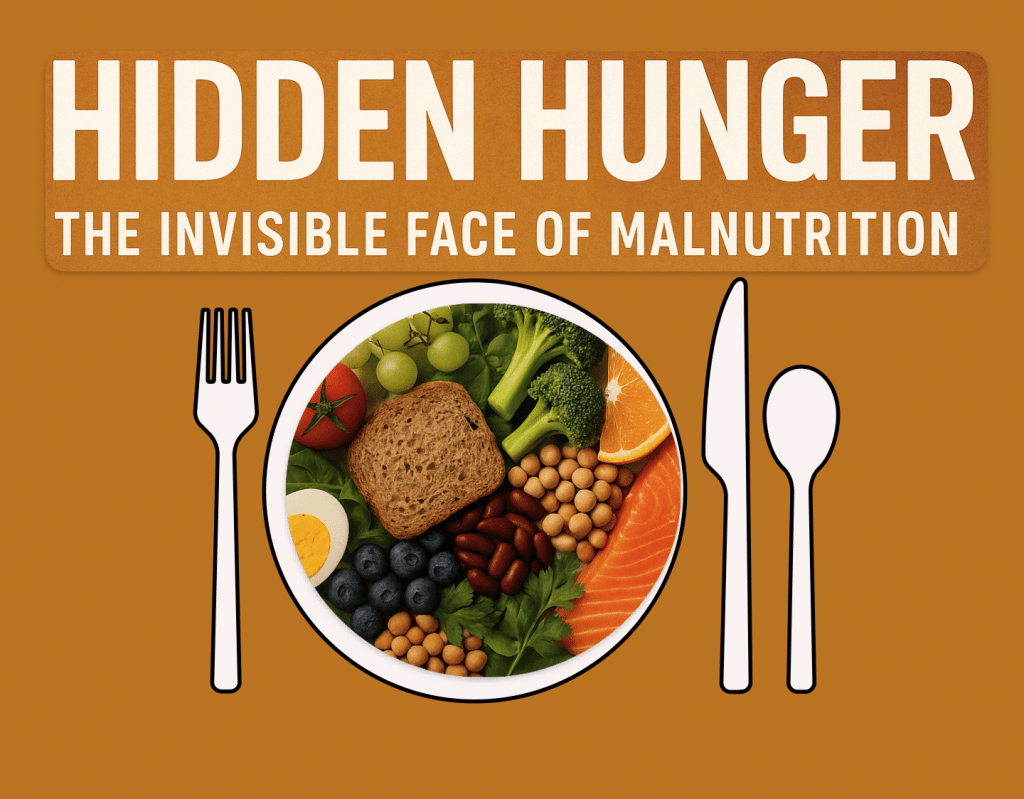
  • Hidden Hunger: The Invisible Face of Malnutrition Affecting Rich and Poor Alike

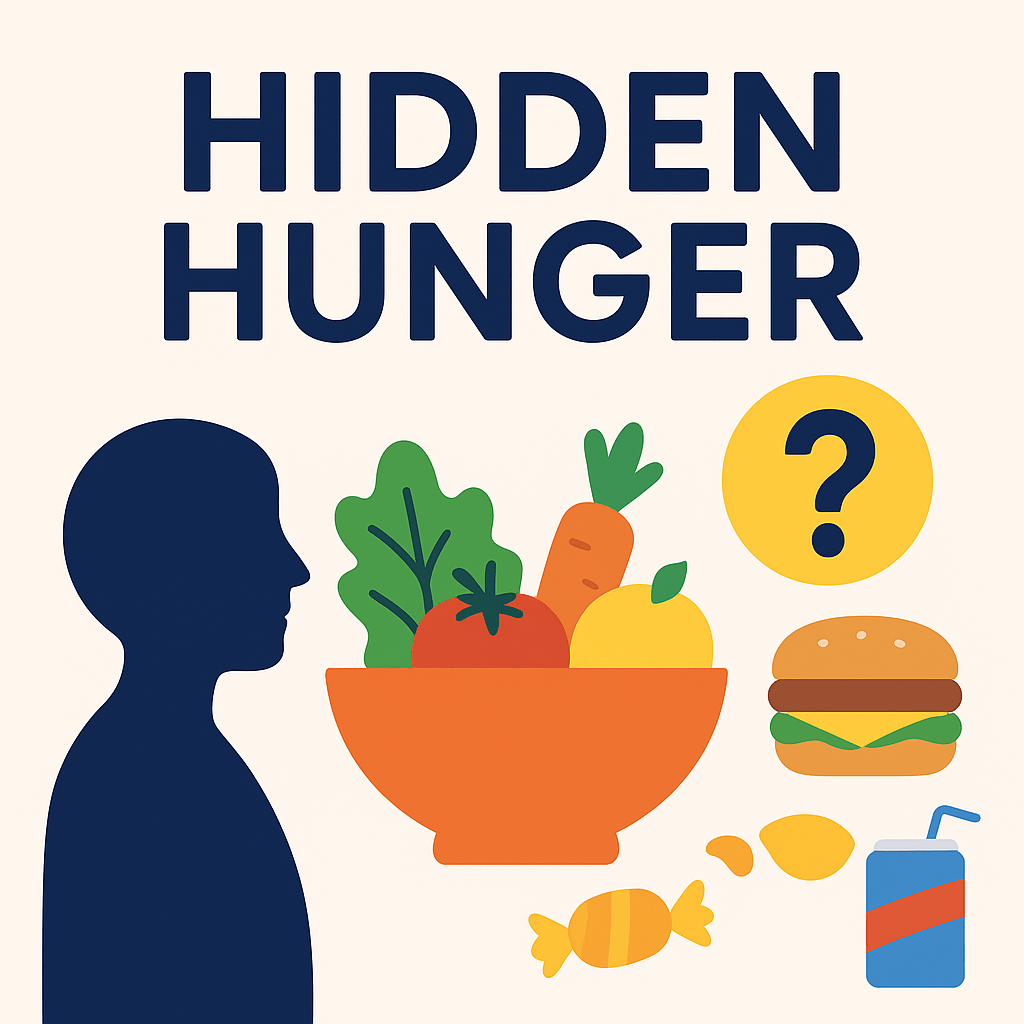
    Hidden Hunger: The Invisible Face of Malnutrition Affecting Rich and Poor Alike

    Hidden hunger — a silent form of malnutrition caused by micronutrient deficiencies, which affects both rich and poor worldwide. Let’s learn the causes, consequences, and solutions to this invisible health crisis.

    Introduction — When Malnutrition Hides in Plain Sight

    When we think of malnutrition, we imagine famine-hit regions, underweight children, and empty plates. Yet, there’s another form of malnutrition quietly affecting billions — including people with abundant food choices and even excess weight.

    This is hidden hunger — a condition caused by a lack of essential vitamins and minerals (micronutrients) in the diet.

    Unlike calorie deficiency, hidden hunger doesn’t always show obvious signs, making it a silent but powerful threat to health, productivity, and even national economies.

    What Is Hidden Hunger?

    Hidden hunger refers to micronutrient deficiencies — shortages of vitamins and minerals crucial for growth, immunity, and overall body function.

    You could be eating three full meals a day, feeling full — and still be malnourished. This is the hidden hunger quietly affecting over 2 billion people worldwide.

    Common micronutrients often missing from our daily meals:

    • Iron – oxygen transport; deficiency → anemia, fatigue.
    • Vitamin A – vision and immunity; deficiency → poor eyesight, infection risk.
    • Iodine – thyroid hormone production; deficiency → goiter, developmental delays.
    • Zinc – growth, wound healing, immune health.
    • Vitamin D – bone strength, immune regulation.
    • Vitamin B12 & Folate – blood cell formation, nerve health.

    A Global Problem – Not Just in Poor Countries

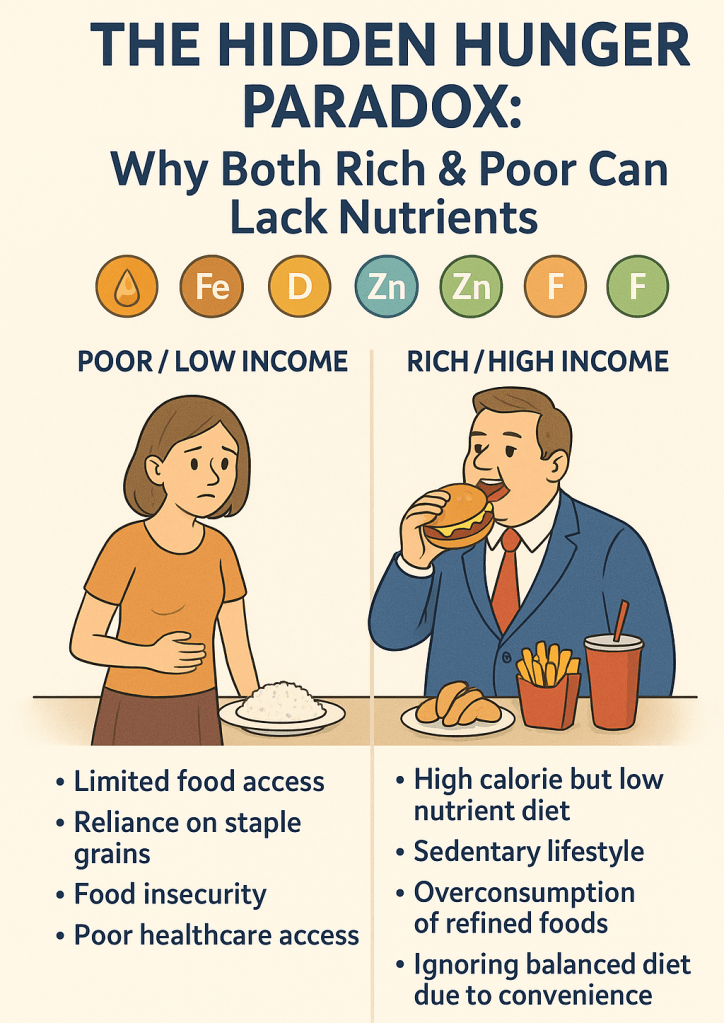
    While severe in low-income countries with monotonous, grain-heavy diets, hidden hunger also thrives in wealthier nations.

    • In poor communities: affordable but nutrient-poor staples (white rice, bread, maize) dominate meals.
    • In affluent societies: calorie-rich, nutrient-poor fast foods and processed snacks are common.

    Paradox: You can be overweight and malnourished at the same time — a phenomenon increasingly seen in urban areas.

    The Rich–Poor Paradox

    • Poor: Dependence on filling but nutrient-light foods → calorie sufficiency, micronutrient scarcity.
    • Rich: Overconsumption of processed foods → calorie excess, micronutrient scarcity.

    Both end up with the same deficiencies — different food sources, same invisible problem.

    Why Hidden Hunger Matters

    Micronutrient deficiencies have deep consequences:

    1. Health Consequences:
    Nutritional deficiencies impair physical and mental capabilities, diminishing productivity and increasing vulnerability to diseases like diarrhea, measles, malaria, and pneumonia.

    • Iodine deficiency during pregnancy can lead to stillbirths and brain damage in infants.
    • Iron deficiency raises childbirth complications.
    • In older adults, deficiencies contribute to frailty, cognitive decline, and poor wound healing.

    Common symptoms include:

    • Weak immunity
    • Slow wound healing
    • Cognitive decline

    2. Impact on Child Development:
    The first 1,000 days of a child’s life are critical. Deficiencies during this time can lead to stunted growth, impaired brain development, and increased risks of illness.

    Key effects include:

    • Stunted growth
    • Poor cognitive development
    • Low school performance

    3. Economic impact:
    Micronutrient deficiencies also harm national economies. In developing countries, they may reduce GDP by 0.7% to 2%, placing a financial burden on healthcare systems and limiting economic growth.

    Fact: The Global Nutrition Report estimates over 2 billion people suffer from hidden hunger worldwide.

    Why It Happens

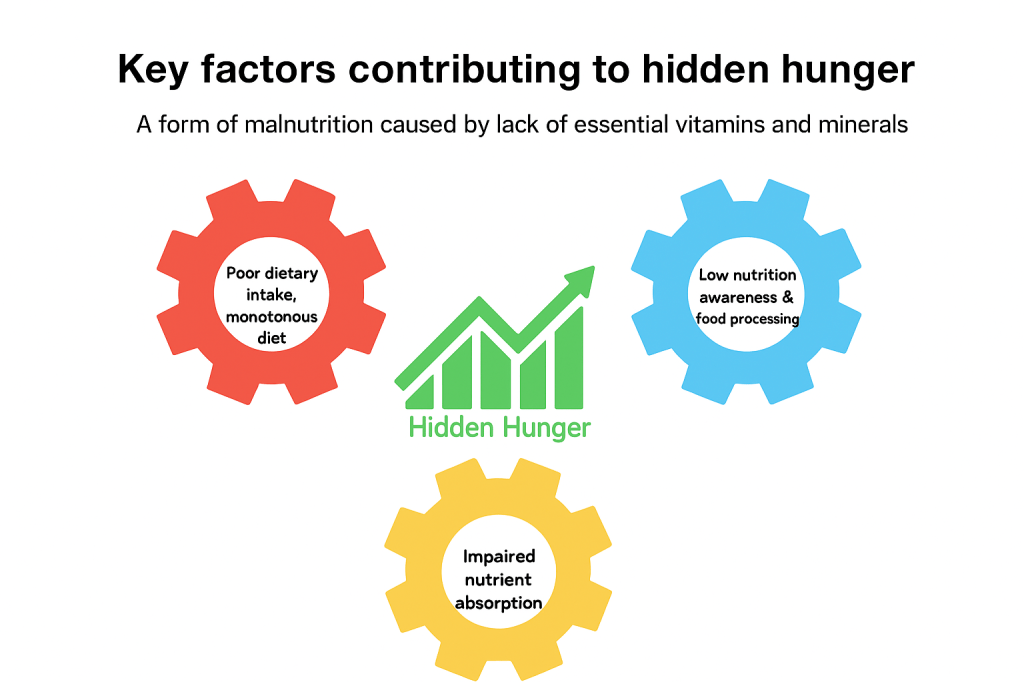
    Hidden hunger, or micronutrient deficiency, occurs when individuals do not get enough essential vitamins and minerals, such as iron, iodine, and vitamin A, even though their calorie intake is sufficient.

    Key factors contributing to hidden hunger include:

    1. Poor dietary intake:

    • Reliance on staple foods: Monotonous diets i.e. over-reliance on a single staples like rice, wheat, or maize provide energy but lack essential micronutrients.
    • Limited access to nutritious foods: Many, especially in developing countries, may lack affordable access to diverse, nutrient-rich foods.
    • Increased micronutrient requirements: Life stages like pregnancy and lactation need higher micronutrient intake, and deficiencies can occur if these needs are not met.

    2. Impaired nutrient absorption:

    • Infections and parasitic infestations: Diseases like hookworm or malaria can lead to nutrient loss or increase nutritional needs.
    • Illness-related absorption issues: Health problems may hinder the effective absorption of micronutrients.

    3. Other contributing factors:

    • Low soil quality: Nutritional deficiencies in crops can occur due to poor soil.
    • Food processing – Milling and refining strip away vitamins, minerals, and fiber.oss.
    • Urbanization & fast-food culture – Convenience often replaces nutrition.
    • Soil depletion – Intensive farming lowers mineral content in crops.
    • Low nutrition awareness – Focus on calories over nutrient density.
    • Poverty: Socioeconomic factors can restrict access to nutritious foods and education.

    Addressing these issues is crucial for reducing hidden hunger and improving health

    Spotting Hidden Hunger

    It’s not always visible. Look for:

    • Chronic fatigue
    • Frequent illness
    • Poor concentration
    • Pale skin, brittle nails, hair loss
    • Confirmation: Blood tests for iron, vitamin D, B12, folate, and others.

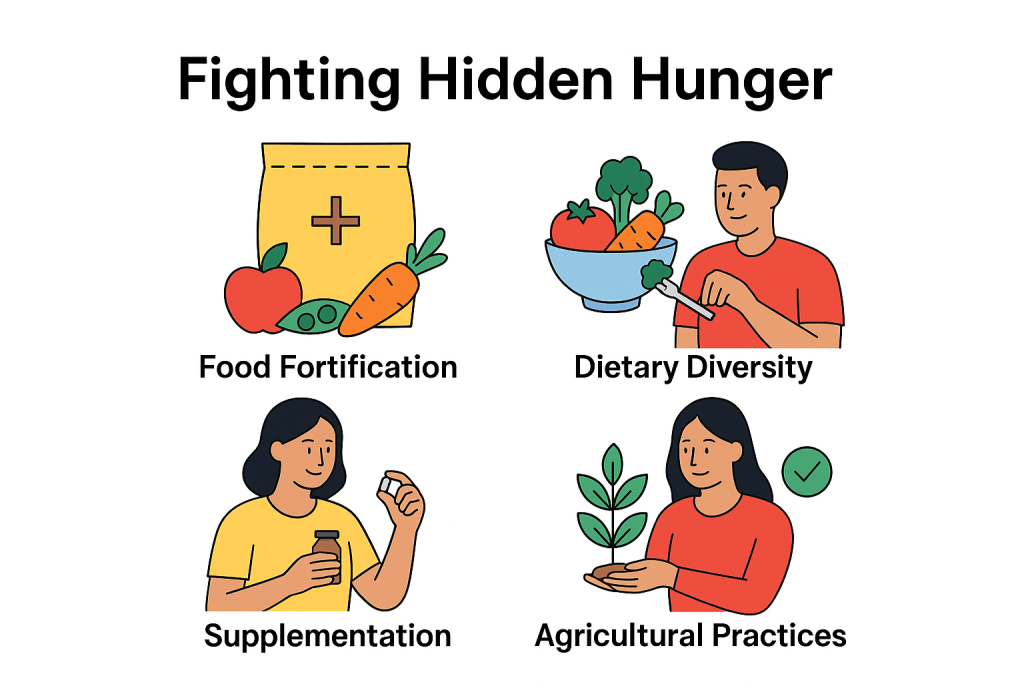
    Fighting Hidden Hunger

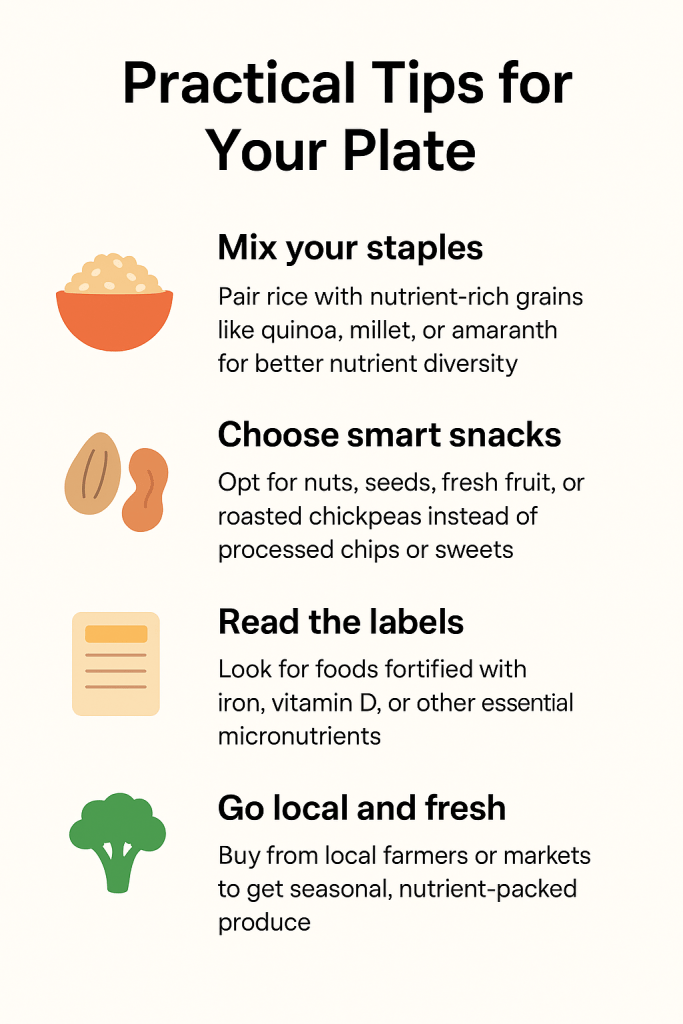
    1. Eat a diverse diet:

    • Fruits & vegetables in at least 3 colors daily.
    • Legumes, nuts, seeds, dairy, eggs, or fish.
    • Whole grains instead of refined ones.

    2. Support food fortification:

    • Iodized salt
    • Iron-fortified flour
    • Vitamin D–fortified milk

    3. Embrace biofortification:

    • Nutrient-rich crop varieties like orange-fleshed sweet potatoes (vitamin A).

    4. Nutrition education and agricultural practices:

    • Public awareness campaigns
    • School-based programs

    5. Take targeted supplements:

    • For pregnant women, children, elderly — under medical guidance.

    Your plate your power

    Hidden hunger is the silent epidemic of our time, affecting us all, whether in a rural village or a vibrant city. Addressing this challenge requires thoughtful personal food choices and impactful public health initiatives.

    Your plate may be full, but is it brimming with the nourishment your body truly deserves?

  • Can Your Gut Bacteria Affect Your Mood? The Science Behind the Gut-Brain Connection

    Can Your Gut Bacteria Affect Your Mood? The Science Behind the Gut-Brain Connection

    We often think of depression as something that happens only in the brain. But as a Biotech researcher, I can tell you that your gut—often called your “second brain”—has a massive say in how you feel emotionally.

    In recent years, the discovery of the Microbiota-Gut-Brain Axis (MGBA) has revolutionized mental health. Let’s explore how your belly’s microbes might be the key to mental resilience.

    What’s Living in Your Gut?

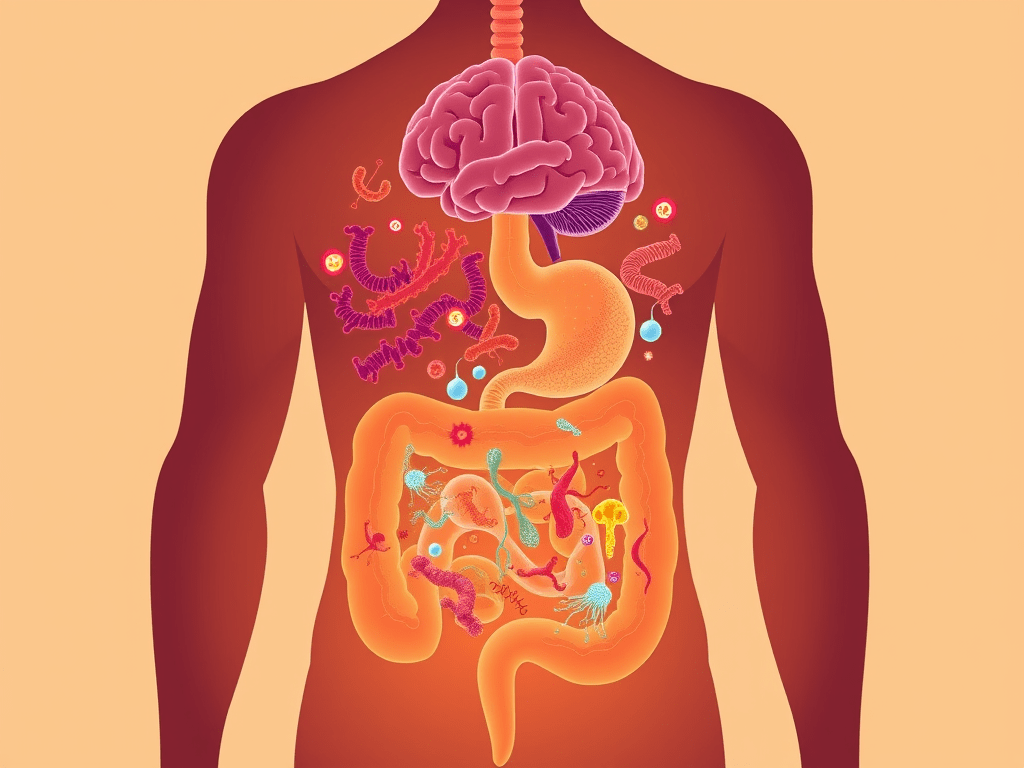
    Inside your gut lives a bustling community of trillions of microorganisms—bacteria, viruses, and fungi. These aren’t just passengers; they are a chemical factory. They help produce essential vitamins, regulate your immune system, and synthesize serotonin—the “happy chemical.” In fact, roughly 95% of your body’s serotonin is produced in the gut, not the brain.

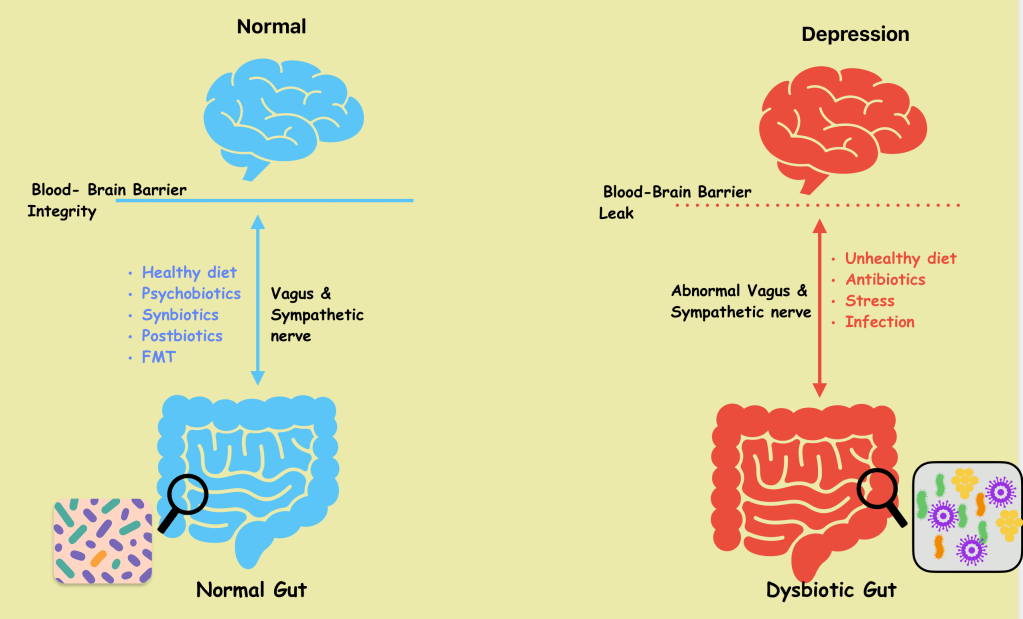
    When this delicate balance is disturbed—a condition called gut dysbiosis—it creates a ripple effect that reaches your mind.

    The Science: Gut Imbalance and Depression

    Can gut bacteria actually cause depression? The research says yes.

    Breakthrough 2025: Research from Duke-NUS Medical School recently identified indoles—metabolites produced by gut bacteria—as direct regulators of the brain’s amygdala, which controls anxiety.

    The Mouse Study: A landmark study in Nature Communications showed that transplanting gut bacteria from “depressed” mice into healthy mice caused the healthy mice to begin showing signs of depression.

    The eCB Connection: Scientists discovered that an unhealthy gut disrupts the body’s endocannabinoid system (eCB). This system is responsible for regulating mood and neurogenesis (the birth of new brain cells) in the hippocampus.

    The Rise of “Psychobiotics”

    This discovery has birthed a new field: Psychobiotics. These are specific probiotic strains, like Lactobacillus and Bifidobacterium, used to support mental health.

    To build a “happy gut,” we now look at three key pillars:

    Postbiotics: The beneficial byproducts produced when your bacteria digest fiber (like Butyrate, which protects the brain).

    Probiotics: Live beneficial bacteria (Yogurt, Kimchi, Kefir).

    Prebiotics: The “food” for those bacteria (Bananas, garlic, onions, oats).

    Healing from the Inside: Your Action Plan

    The good news? Your gut is flexible. You can begin shifting your microbiome in as little as 24 hours by:

    1. Adopting a Mediterranean-style diet: Rich in vegetables, whole grains, and healthy fats like olive oil.
    2. Diverse Fibers: Aim for 30 different plants per week to feed different bacterial strains.
    3. Fermented Foods: Traditional Indian staples like Dahi, Kanji, and fermented Idli/Dosa batter are natural psychobiotics.
    4. Mindful Probiotics: For targeted support, look for strains like L. plantarum or B. longum, which have been clinically studied for stress reduction. [Insert your affiliate link here]

    Final Thoughts: It Starts in Your Gut

    We can’t always control external stressors, but we can control the environment inside our bodies. Taking care of your gut is one of the most effective, natural ways to build mental resilience.

    “A happy gut, a happy me.”

    Originally published on Medium:https://medium.com/@dasmoonmoon33/a-happy-gut-a-happy-mind-how-gut-microbes-may-help-fight-depression-46f706161a8d

    (Republished here with light updates and visuals for WordPress readers.)