Tag: diet

  • The Nutrient Illusion: Why Your Gut’s “Microsociety” is the Cure for Hidden Hunger

    The Nutrient Illusion: Why Your Gut’s “Microsociety” is the Cure for Hidden Hunger

    The Nutrient Illusion

    We are living in a modern nutritional paradox. Today, we have access to more calorie-dense, vitamin-fortified, and organic foods than any other generation in history. Yet, millions of people are walking around quietly malnourished, suffering from a condition known as Hidden Hunger.

    Hidden hunger is a chronic lack of essential micronutrients (like iron, zinc, and calcium). It causes persistent fatigue, brain fog, and a weakened immune system, even if you are eating what looks like a perfectly healthy diet.

    How can this be? It boils down to the Nutrient Illusion: you are not what you eat; you are what you can absorb. Many people invest heavily in premium supplements and organic foods, only to have those nutrients go to waste. The real issue isn’t the food on our plates; it’s the biological infrastructure within our gut that determines how effectively we can access those nutrients.

    Welcome to the Microsociety: Your Internal Extraction Factory

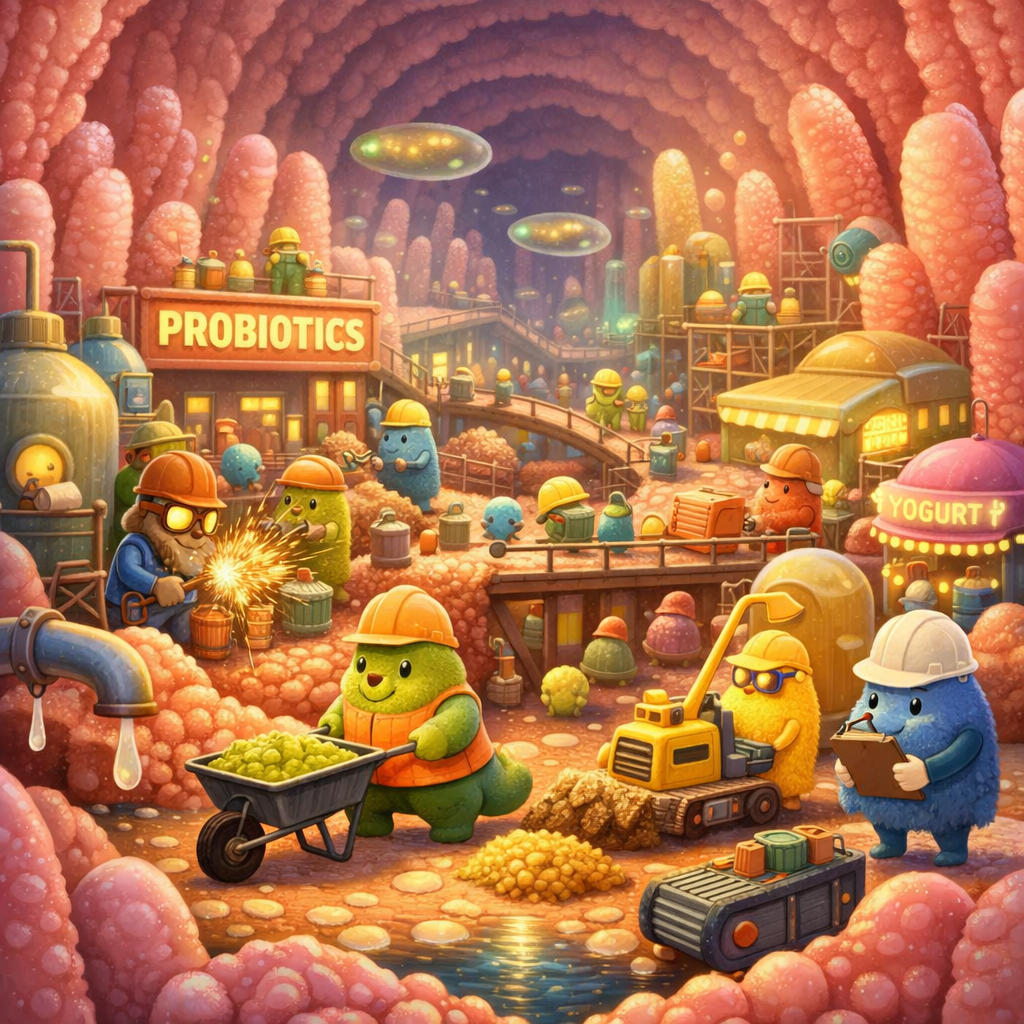
    To tackle the issue of hidden hunger, we need to rethink how we view our digestive system. Think of your gut as a busy little city (microsociety) rather than just a simple tube that processes food.

    Imagine a microscopic city populated by 100 trillion workers; each with their own specific jobs to keep everything running smoothly

    • The Breakdown Crews: Strains like Lactobacillaceae are special bacteria that act like heavy machinery, breaking down tough plant fibers that our stomach acid alone can’t handle.
    • The Chemical Engineers: Some bacteria are responsible for making essential nutrients that our bodies need but can’t get from food alone, like Vitamin K and important B vitamins.
    • The Border Patrol: The microbes lining your intestinal walls act like a border patrol, making sure harmful germs stay out while allowing good nutrients to enter your bloodstream safely.

    Microscopic Synergy: How the Assembly Line Works

    Human digestion on its own is actually quite weak. To effectively absorb minerals, we depend on a process known as Nutrient Synergy, which operates like a biological assembly line where different bacterial groups work together.

    Here’s how it works when you consume a complex carbohydrate:

    1. Step 1: “Worker A” (a specific bacterial strain) digests the tough fiber and produces a metabolic byproduct.
    2. Step 2: “Worker B” takes that exact byproduct and ferments it into Short-Chain Fatty Acids (SCFAs).
    3. Step 3: These SCFAs slightly lower the pH of your colon. This acidic shift acts like a “key” that unlocks stubborn minerals such as calcium and iron, making them available for absorption into your bloodstream

    Additionally, this bacterial workforce even acts as a defense mechanism. Certain microbes are specifically tasked with dismantling anti-nutrients (like phytic acid found in raw grains and legumes) that would otherwise trap your minerals and cause hidden hunger.

    When the City Strikes: The Real Cause of Hidden Hunger

    What happens to this highly coordinated assembly line when we experience chronic stress, rely on ultra-processed foods, or ignore our 24-hour microbial clock?

    The result is a collapse of this microscopic community, known as gut dysbiosis.

    When you deprive this community of its preferred fuel—plant fiber—the breakdown crews begin to die off. As a result, the chemical engineers stop producing essential vitamins, and the assembly line comes to a halt. This is when Hidden Hunger takes root. You may consume the most nutrient-dense meal on the planet, but without your microscopic workforce to unlock, synthesize, and transport those nutrients, your body can starve at a cellular level.

    Action Plan: 3 Ways to Rebuild Your Nutrient Factory

    To address hidden hunger, you don’t necessarily need more expensive supplements; instead, you need to restore your gut microbiome. Here are three ways to rebuild your internal community:

    • Provide the Raw Materials: Your gut microbiota require diverse plant fibers to function effectively. Aim to consume 30 different types of plants each week, including nuts, seeds, herbs, and legumes. This diversity ensures that every “neighborhood” in your gut has the specific nutrients it needs to thrive.
    • Hire New Workers: Introduce active, beneficial bacteria into your gut by consuming fermented foods. Traditional staples like a fresh bowl of yogurt or other fermented foods are rich in the living bacterial strains necessary to restart your nutrient extraction processes.
    • Protect the Infrastructure: Even a bustling city needs the lights turned off to repair the roads. Respect your body’s natural 12-hour microbial shift and know your chronotype. If you finish dinner at 8:00 PM, give your gut until 8:00 AM or stop all caloric intake at least two hours before bed. This allows the body to perform cellular cleanup and repair the delicate lining where nutrient absorption actually happens.

    Final Thoughts

    The next time you sit down to eat, remember that you are feeding more than just yourself. You are governing a thriving, complex, internal city—the incredible microsociety visualized so vividly in the preceding illustrations. As both the glowing Gut-City visualization and the practical chronotype guide (like that “No-Fly Zone” above) emphasize, protecting your microbial citizens is an around-the-clock commitment. By feeding them the diverse plant fibers and fermented foods they need, you provide the raw materials for a robust, synergistic nutrition extraction factory.

    Only by honoring their operational hours, protecting their infrastructure, and providing the resources they need can your internal ecosystem truly cure Hidden Hunger from the inside out. Your body deserves nothing less.
  • The Selfish Brain: Fueling Your Child for Academic Success

    The Selfish Brain: Fueling Your Child for Academic Success

    The Brain is a Hungry Engine

    Exam preparation requires deliberate planning, effective time management, and a healthy diet. If you have watched the movie Inside Out, you might know what is happening inside your child’s head right now.

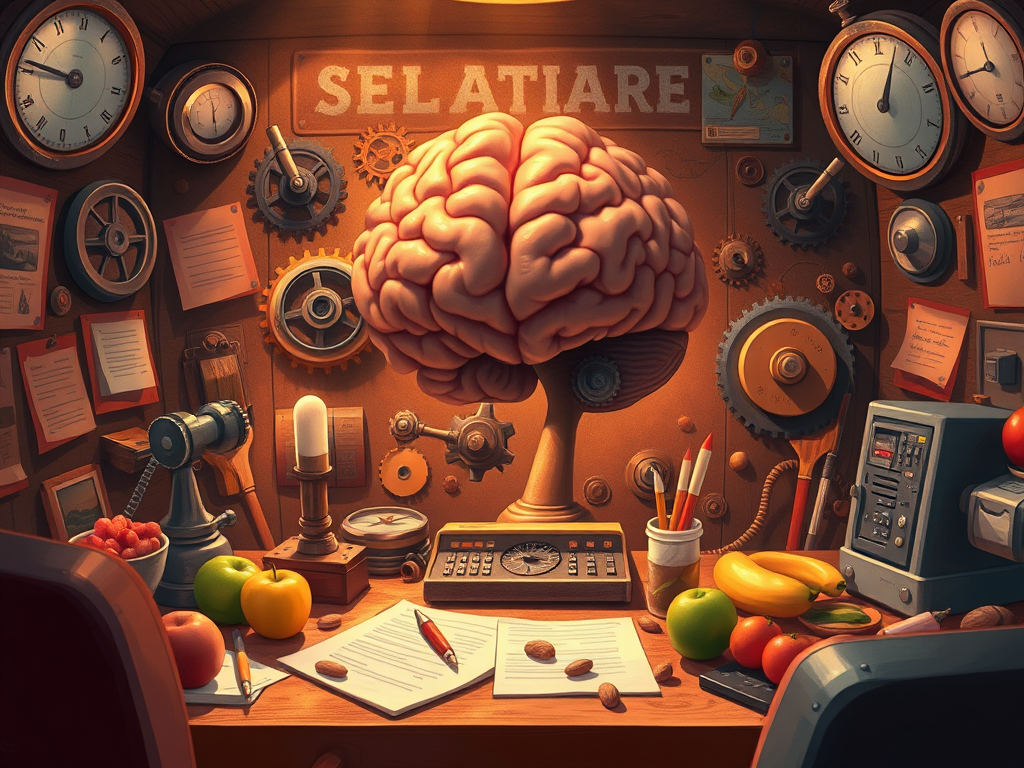
    Imagine their brain as “Headquarters.” During exam season, anxiety is probably in charge rather than just joy or sadness. She is working quickly, pulling levers, looking through her notes frantically, and making “scenario simulations” of the exam paper.

    There is a price for all of this madness at the control console.

    Biologically, the brain is a hungry engine. It makes up only 2% of your child’s body weight, but it uses up 20% of their daily energy. During intense studying (or when Anxiety is pushing the buttons), that demand spikes even higher.

    The Science: Your Child’s Brain is “Selfish” 

    You might think I am exaggerating with the movie comparison, but neuroscientists have a term for this phenomenon: The Selfish Brain Theory.

    According to research, when your child is under acute stress (like an exam), the brain behaves “selfishly.” It realizes it needs massive amounts of energy to process data, so it triggers a biological blockade. It actively suppresses insulin to stop the muscles and fat from absorbing sugar, keeping all the glucose in the blood stream for itself.

    In simple terms: The brain locks the fridge and tells the rest of the body, “Starve if you have to, but I need to eat first.”

    This is why students often look physically drained or lose weight during finals, even if they are just sitting in a chair. Their brain is literally draining the body’s resources to keep the “Headquarters” functioning.

    The problem? Most students try to power this high-tech headquarters with low-quality fuel: chips, biscuits, and sugary tea. This is like trying to operate a supercomputer on a cheap battery. It works for 20 minutes, and then the system crashes.

    As a biotechnologist (and a parent), here is my guide to the “High-Performance Protocol“—the specific nutrients that keep the lights on at headquarters when it matters most.

    The High-Performance Protocol:

    4 Nutrients to Keep the Lights On

    Most parents focus on calories (is he full?), but for academic success, we need to focus on chemistry.

    Here are the four non-negotiable nutrients that build the hardware of a learning brain. Learn exactly how to get them into your child’s diet.

    • The Wiring Insulation: Omega-3 Fatty Acids (DHA):
      The Science: Your child’s brain is 60% fat. The most critical type is DHA (Docosahexaenoic acid), which provides insulation. This enables quicker thinking, better focus, and improved reading skills.
      • Foods rich in DHA: Fatty fish (Salmon, Mackerel, Sardines).
        The Backup: Walnuts, Chia seeds, and Flaxseeds (ALA)
        Parent Hack: If they hate fish, try “Fish Cakes” mixed with mashed potatoes, or a high-quality algae-oil supplement.
    • The Messenger Service: Choline
      The Science: Choline is the raw material for Acetylcholine, the neurotransmitter responsible for memory and focus. It is literally the chemical messenger that takes a fact from the blackboard and stamps it into the hard drive.
      • The Star: Whole Eggs.
        The Backup: Cauliflower, Liver, and Soybeans.
        Parent Hack: “Brainy Breakfast” = 2 scrambled eggs. It provides nearly half the daily choline requirement for a school-aged child.
    • The Oxygen Trucks: Iron
      The Science: The brain is an energy hog; it uses 20% of the body’s oxygen. Iron is the vehicle (Hemoglobin) that carries that oxygen to the brain cells. Iron deficiency is the cause of fatigue and poor concentration in schoolchildren.
      • The Star: Red meat, Lentils (Dal), and Spinach.
        The Booster: Always pair iron with Vitamin C (lemon juice, oranges, or peppers) to triple the absorption.
        Parent Hack: Squeeze lemon over their Dal or Poha. It’s a simple chemistry trick that maximizes fuel delivery.
    • The Steady Voltage: Complex Carbohydrates
      The Science: The brain has no battery backup; it runs exclusively on glucose. But it needs a steady trickle, not a firehouse. Simple sugars cause a spike and a drop, leading to mid-morning irritability. Complex carbs deliver a slow-release energy stream that lasts until lunch.
        • The Star: Oats, Brown Rice, Quinoa, and Whole Wheat.
          The Villain: Sugary cereals and white bread (which act like a power surge that blows a fuse).
          Parent Hack: Switch to “Steel-Cut Oats” or add a handful of nuts to their porridge to slow down digestion even further.

      Summary Box for Parents

      The “Exam Morning” Menu
      Breakfast: Scrambled Eggs (Choline) + Whole Wheat Toast (Steady Glucose).
      Snack: A handful of Walnuts (Omega-3s) + an Orange (Vitamin C to boost Iron).
      Lunch: Lentil Soup/Dal (Iron) + Brown Rice (Complex Carb).

      The Final Grade: Consistency Over Perfection

      As parents, we often worry about finding the right tutors, the best textbooks, and setting screen-time limits. However, the most powerful educational tool we have is right there in our kitchen. Before a child can memorize a math formula or write an essay, their biology must be functioning well. By shifting our focus from merely “filling them up” to “wiring their brain,” we provide them with the essential chemical foundation they need to truly absorb what they learn.

      Your Action Plan for Tomorrow Morning: You don’t need to completely overhaul your pantry overnight. In fact, attempting to replace every snack with sardines and spinach might lead to a full-scale rebellion! Start small. Swap sugary cereal for oatmeal just two days a week. Add an extra egg yolk to their breakfast. Squeeze a little lemon over iron-rich dal. The goal isn’t to create a picture-perfect, laboratory-controlled diet. Instead, the aim is to provide consistent biological fuel. Every time you offer DHA, choline, iron, or complex carbohydrates, you are laying another brick in their cognitive foundation. Keep their brain well-fueled, and watch them shine in the classroom.

      Ready to start, but dealing with a picky eater? Knowing what to feed your child’s brain is only half the battle. Actually getting them to eat it without a dinnertime meltdown is the real challenge.

      That is exactly why I created The Picky Eater’s Brain Food Guide. Inside this free PDF, you will find my top 5 “stealth” recipes designed to hide DHA, Choline, Iron, and Complex Carbs inside the everyday foods your child already loves—no dinner table drama required.

      👇 [ CLICK HERE TO DOWNLOAD YOUR FREE GUIDE ] 👇 Keep the lights on at headquarters, effortlessly.

    • Nutrient Synergy: How to Combine Foods to Beat Hidden Hunger

      Nutrient Synergy: How to Combine Foods to Beat Hidden Hunger

      We often hear the phrase, “You are what you eat.” But from my scientific perspective, I would argue that this is only part of the truth. In reality, you are what you absorb.

      We live in a paradoxical world where our plates are full, but our bodies are often starving. Here, by starving, I mean the micronutrient deficiencies, which are independent of poverty or riches. This is Hidden Hunger—a silent form of malnutrition where we lack essential vitamins and minerals despite eating enough calories. The Green Revolution have boosted food production, but it also reduced the nutritional value of key food staples. This crisis affects billions of people worldwide, draining energy and immunity, independent of poverty or wealth .

      In Part 1 of this series, I discussed global strategies including Biofortification. These include having a diverse diet and Food Fortification. They aim to enrich crops and staples right from the source. These are critical long-term fixes. Still, we don’t have to wait for improved crops to reach our markets. There is a powerful tool you can use right now, in your own kitchen: Food and Nutrient Synergy.

      The solution to combat hidden hunger is not always about buying expensive supplements or making radical changes to your diet. Sometimes, the answer lies in chemistry—specifically, in the concept of Food and Nutrient Synergy.

      At its core, food synergy is about teamwork on your plate. It involves combining specific foods, like spinach and lemon, to unlock greater health benefits. Nutrient synergy drives this process. It is the underlying science of pairing specific dietary compounds to boost how well your body absorbs them dramatically.

      The “Absorption Gap”: Why Eating Isn’t Enough

      In my research, I often come across the concept of Bioavailability. Simply put, just because a food includes a nutrient doesn’t mean your body can utilize it.

      A 2022 review titled Trust Your Gut in Current Research in Food Science highlights an important distinction that explains this gap:

      • Bioaccessibility: This refers to extracting the nutrient from the food matrix (for example, breaking the cell wall of a carrot).
      • Bioavailability: This is about getting that nutrient into your bloodstream.

      My goal with “Food Synergy” is to help you maximize both. By combining specific foods, we can facilitate chemical reactions within our digestive system. These reactions unlock nutrients and transform an ordinary meal into a nutritional powerhouse.

      Meet the “Antinutrients” (The Blockers)

      Before discussing solutions, we need to understand the blockers, known in nutrition science as Antinutrients.

      These are natural compounds found in plants (especially grains, legumes, and seeds) designed to protect the plant from infection. While they are essential for the plant’s survival, they can act like handcuffs for minerals in our bodies.

      • Phytates: Found in whole grains and lentils. They bind to Iron, Zinc, and Calcium, preventing their absorption.
      • Oxalates: Found in leafy greens like spinach. They lock up Calcium by forming insoluble crystals.
      • Tannins: Found in tea and coffee. These bind to Iron in the gut.

      The Twist: Despite the name, antinutrients are not inherently “bad.” Many act as antioxidants and have anti-cancer properties. Rather than eliminating them, we aim to disarm their blocking effects.

      What are the examples of nutrient synergy?

      Synergy 1: The Iron Key (Vitamin C + Plant Iron)

      Iron deficiency is the most common form of hidden hunger, leading to fatigue and brain fog. In plant-based diets, we often rely on lentils and greens for iron. Yet, phytates in these foods can inhibit absorption.

      The Fix: Vitamin C is the key that unlocks this bond.

      Scientifically, plant iron exists as ferric iron (Fe3+), which is hard to absorb. Ascorbic acid (Vitamin C) chemically converts it into ferrous iron (Fe2+), a form that your body can easily absorb.

      The Kitchen Prescription: Never eat your iron-rich staples “naked.”

      • Eating Dal? Squeeze fresh lemon juice over it just before serving.
      • Having Poha or Upma? Serve it with a side of fresh tomato chutney.
      • Cooking Spinach (Saag)? Pair it with Amla (Indian Gooseberry) or bell peppers.
      • Result: Just adding a splash of citrus, you can actually increase iron absorption by up to 300%.

      Synergy 2: The Fat Carriers (Vitamins A, D, E, K + Healthy Fats)

      Have you ever eaten a bowl of boiled carrots or a dry salad thinking you were being “healthy”? You have missed out on essential benefits.

      Vitamins A, D, E, and K are fat-soluble. Think of them as passengers that need a vehicle (fat) to transport them across the intestinal wall. Without fat, they directly pass through your system. A recent review by Weaver & Givens confirms that the “food matrix” is important. Fat is essential for releasing these nutrients from plant cells.

      The Fix: Don’t fear the fat; use it strategically.

      • The Kitchen Prescription:
        • Carrots & Pumpkin (Vitamin A): Always cook them with a teaspoon of ghee or oil, or toss them with seeds. There is a recent beautiful review article by Weaver & Givens describing the details of it.
        • Salads: Skip the fat-free dressing. Use olive oil or add avocado.
        • Turmeric Milk: Curcumin (the active compound in turmeric) is also fat-soluble. That’s why the traditional Haldi Doodh or Golden Milk always includes full-fat milk or a drop of ghee.

      Synergy 3: The Inflammation Fighter (Turmeric + Black Pepper) 

      You’ve likely heard of Turmeric lattes, but are you adding pepper? The liver flushes out Curcumin (turmeric’s active compound) rapidly. 

      The Fix: Piperine in black pepper stops this process, boosting absorption by 2000%. Always crack fresh pepper into your Golden Milk (Haldi Doodh) or curries.

      Synergy 4: The Cancer-Fighting Rescue (Cruciferous Veg + Mustard) 

      Cooking broccoli or cauliflower destroys myrosinase, the enzyme needed to activate their cancer-fighting power. 

      The Fix: Mustard seeds contain the same enzyme, and “add it back”. Sprinkle mustard powder on steamed broccoli to restore its potency.

      Don’t Miss the “Antioxidant Shield” We’ve covered how to upgrade your meals, but what about your drinks? There is one more critical synergy—a simple tweak to your morning green tea that boosts its antioxidant power by 5x.

      I haven’t listed it here, but you’ll find it in my Kitchen Chemist’s Cheat Sheet. Download the free printable guide below to get the full list of “Power Pairs.” Stick it on your fridge so you never eat (or drink) “naked” food again.

      The Antagonists: When to Separate

      Just as some friends bring out the best in each other, some foods are better consumed separately.

      • Tea & Coffee: These contain tannins, which love to bind to iron. So, drinking chai with your breakfast can reduce iron absorption significantly. In a recent study, researchers showed that high consumption of tea and coffee leads to reduced serum ferritin levels.
          • Strategy: Enjoy your tea, but have it at least one hour after your meal.
        • Calcium & Iron (The Competitive Siblings): Calcium can inhibit iron absorption if taken together. This is crucial information for pregnant women prescribed both supplements.
            • Strategy: Use the “Morning-Night Rule.” Take your calcium supplement at breakfast. Then, take your iron supplement at dinner (or vice-versa). Ensure there is a gap of at least 2 hours between them.

          A Healthy Human Resource for a Healthy Planet

          Hidden hunger is not only a personal health concern; it is a global issue. A population that is tired, weak, and susceptible to infection cannot thrive. We can reclaim our health by understanding the simple science of Food Synergy. This does not require expensive interventions. We just need to use the wisdom of our own kitchens.

          When we nourish ourselves deeply, we build the resilience we need. This resilience helps us care for our families and our work. Ultimately, it also supports our planet.

        • Brain Fuel for Babies: How DHA Shapes the Smartest Start in Life

          Brain Fuel for Babies: How DHA Shapes the Smartest Start in Life

          Discover how DHA supports your baby’s brain and vision development from pregnancy to infancy.

          Introduction — The Hidden Architect

          In your baby’s first year, their brain isn’t just growing; it is wiring itself. It forms over one million new neural connections every single second.

          At the heart of this biological construction site is DHA (docosahexaenoic acid). While most parents focus on calcium for bones or iron for energy, DHA is often overlooked. Yet, as a scientist, I view DHA as the “cement” of the brain. It is the structural fat that literally builds the brain and eyes, defining your child’s potential for focus, vision, and emotional balance before they even say their first word.

          What Exactly Is DHA? (The Science)

          DHA isn’t just “fat”; it is a structural component. It makes up:

          • Nearly 40% of the polyunsaturated fats in the brain.
          • Around 60% of the retina (eyes).

          Think of nerve signals like electricity. DHA provides the insulation (myelin sheaths) that allows those signals to travel quickly and efficiently. Without enough of it, the “internet connection” in the brain is slower.

          Since the human body is inefficient at making DHA, it must be “imported” through the mother’s diet or supplementation.

          Does DHA help baby brain development?

          Yes. The science is clear that DHA powers three critical areas:

          1. Vision Development DHA accumulates rapidly in the retina during the last trimester.

          • The Evidence: The famous DINO Trial (Makrides et al., 2009) found that babies of mothers with higher DHA levels had significantly better visual sharpness by 4 months of age.

          2. Cognitive Wiring DHA supports synaptogenesis—the creation of new synapses.

          • The Impact: Studies correlate higher prenatal DHA with better problem-solving skills and higher IQ scores at school age.

          3. Emotional Balance DHA influences the receptor function for serotonin and dopamine. It’s not just about being “smart”; it’s about being emotionally regulated.

          Quick Fact: The brain grows to nearly 80% of its adult size by age 2. This is why the window for DHA intake is so critical—you cannot easily “catch up” later.ily.

          The Mother–Baby Connection:

          Mothers are the primary supply chain for DHA.

          • During Pregnancy: DHA crosses the placenta, prioritized for the baby’s brain (often depleting the mother’s own stores, which is why “mom brain” happens!).
          • Post-Partum: Breast milk delivers DHA, but only if the mother is consuming it.

          Expert Prescription: The WHO recommends 200–300 mg of DHA daily for pregnant and breastfeeding moms.

          Kitchen Chemist Tip: If you start eating salmon or taking algae oil today, your breast milk DHA levels will rise within just a few weeks. It acts fast!

          What If I Don’t Breastfeed?

          If breastfeeding isn’t possible, do not worry. DHA-fortified infant formulas are an excellent scientific solution. A comprehensive meta-analysis confirmed that babies fed DHA-enriched formula showed better visual focus and psychomotor development than those fed non-fortified formula.

          Kitchen Chemist Guide: Sources & Stability

          Here is where the chemistry matters. DHA is a highly unstable fat—it oxidizes (goes rancid) easily.

          1. The Best Sources

          • Fatty Fish (The Gold Standard): Salmon, sardines, anchovies, mackerel. (Aim for 2 servings/week).
          • Algal Oil (The Vegan Standard): This is where fish get their DHA! It is the cleanest plant-based source.
          • Fortified Foods: DHA-enriched eggs or milk.

          Parent Tip: Pair DHA-rich foods with a bit of healthy fat (like olive oil or avocado) — it boosts absorption

          2. The “Absorption Hack” DHA is fat-soluble. Never take your prenatal DHA supplement with just a glass of water or black coffee.

          • The Fix: Always take it with a meal containing some fat (avocado, olive oil, or yogurt) to maximize absorption.

          3. The “Freshness Rule” Because DHA oxidizes, smell your fish oil capsules. If they smell strongly fishy or rotten, they have oxidized. Throw them away—oxidized oil is inflammatory

          Summary: Nourish the Mind Before It Blooms

          From the womb to the first steps, DHA is nature’s brain builder. It is the difference between a brain that just survives and one that thrives.

          “Brains are built, not born—and DHA is the first brick in that foundation.”

          References

          • Makrides et al., DINO Trial (2009) – DHA and visual acuity in infants
          • American Journal of Clinical Nutrition (2018) – Prenatal DHA and cognitive function
          • Nutrients (2019) – DHA’s role in synaptogenesis
          • Meta-analysis (2010) – DHA-fortified formulas and psychomotor outcomes
          • Brenna et al., (2020) – Maternal DHA supplementation and breast milk levels

        • What is Gut Dysbiosis? An Easy Guide to Your Stomach’s “Ecosystem”

          What is Gut Dysbiosis? An Easy Guide to Your Stomach’s “Ecosystem”

          A very familiar term nowadays, where the bad takes over the good. Lets dive deeper here,

          Imagine your gut is as a flourishing, lush garden. In a healthy garden, you have a diverse mix of flowers, shrubs, and trees (beneficial bacteria) coexisting peacefully. They protect the soil, stop weeds from taking over, and help everything grow.

          But what happens if you stop watering the plants? Or if a storm (like a round of antibiotics) wipes out the flowerbeds? The weeds (harmful bacteria) start to take over.

          This state of imbalance is what scientists refer to Gut Dysbiosis. It sounds complicated, but it simply means that your body’s ecosystem is out of balance. And as we are learning, when your gut is unhappy, the rest of your body—from your skin to your brain—pays the price.

          What Exactly is Dysbiosis?

          Your gut microbiome consists of trillions of microorganisms. In a healthy state (homeostasis), the “good” guys keep the “bad” guys in check. Dysbiosis occurs when this balance is disrupted in one of three ways:

          1. Loss of Diversity: You simply don’t have enough types of good bacteria.
          2. Loss of Beneficial Bacteria: The specific “protector” strains are missing.
          3. Overgrowth of Pathogens: The harmful bacteria or yeast (like Candida) grow out of control.

          The “Science Corner”: What’s Happening at the Cellular Level?

          For the Science Geeks: Dysbiosis often involves a disruption in the Firmicutes to Bacteroidetes ratio. A healthy gut maintains a specific balance between these two dominant phyla. When dysbiosis sets in, we often see a compromise in the mucosal barrier (the gut lining). This can lead to “Leaky Gut” (intestinal permeability), allowing lipopolysaccharides (LPS)—toxins from bacterial cell walls—to enter the bloodstream, triggering systemic inflammation.

          The Culprits: What Causes the Imbalance?

          As of now you know that we aren’t born with dysbiosis; but usually acquire it through modern lifestyle factors:

          • Antibiotics (The Forest Fire): While lifesaving, antibiotics act like a forest fire, burning down both the bad infection and your good gut flora. This is especially true for broad-spectrum antibiotics.Real Life Example: To heal a minor infection from an ear or nose piercing, we often take strong oral antibiotics. That medication travels through your whole system, wiping out the beneficial ecosystem in your gut just to reach that one tiny spot.
          • The “Western” Diet: High sugar and processed foods feed the harmful bacteria, while a lack of fiber starves the good ones. Your fancy breakfast cereals, packaged juices, ketchup and sauces are all packed with high amount of sugar. Even the preservatives and emulsifies used in your processed food and drinks are detrimental to a balanced gut. (For details you can read my fruit fly experiment)
          • Chronic Stress: Your brain and gut are connected (the Gut-Brain Axis). High stress signals your gut to slow down digestion and alter bacterial composition.
          • Environmental Toxins: Pesticides and pollutants can alter the microbiome profile.
          • Preservatives (The “Invisible Antibiotics”): You might be wondering: “If antibiotics kill gut bacteria, what about the chemicals designed to kill bacteria in my food?”
            🍊 The Fruit Fly Test Recently, I did an accidental experiment at home. I left a glass of packaged orange drink next to a freshly peeled orange. To my surprise, fruit flies swarmed the real fruit but completely ignored the sugary drink.
            Why? Because the real fruit was alive and fermenting—signaling “food” to nature. The packaged drink was biologically “dead,” loaded with preservatives like Sodium Benzoate and Potassium Sorbate.
            These chemicals are essentially “micro-antibiotics.” They inhibit the growth of mold and bacteria in the bottle, and they don’t stop working once you swallow them.

          Symptoms of Gut Dysbiosis

          Although bloating is a major sign, but there are more to it. Your gut is connected to your whole body, symptoms can appear anywhere:

          • Digestive Issues: Gas, bloating, diarrhea, or constipation.
          • Brain Fog & Mood: Anxiety or difficulty concentrating (due to a drop in serotonin, 90% of which is made in the gut).
          • Skin Flare-ups: Eczema, acne, or rashes.
          • Immune System Struggles: Getting sick constantly, or developing new food sensitivities.

          How to restore Your Gut

          The good news? Our microbiome is resilient and so we can restore the balance:

          • Feed the Good Guys (Prebiotics): Think of fiber as fertilizer , so add it to your diet.
          • Introduce Reinforcements (Probiotics): Fermented foods like yogurt, kefir, sauerkraut, and kimchi.
          • Limit the “Weed Feed”: Reduce refined sugars and processed foods that harmful bacteria thrive on.
          • Post-Antibiotic Care: After a course of antibiotics, follow them up with a rigorous protocol of probiotics and gut-healing bone broths.

          Want the Full Restoration Plan?

          Understanding Dysbiosis is step one. Fixing it is step two.

          I have created a free, comprehensive PDF guide: “The 4-Week Gut Rewilding Protocol.” It includes:

          • The “Symptom Tracker” Checklist: To know exactly which stage of dysbiosis you are in.
          • The “Safe” Shopping List: Exactly which yogurts and foods pass the “Fruit Fly Test.”
          • Post-Antibiotic Recovery Plan: A day-by-day guide to rebuilding your gut after medication.

          Conclusion

          Treating your gut like a garden requires patience. It won’t be fixed overnight, but with the right “nutritional fertilizer,” you can crowd out the weeds and cultivate a microbiome that supports your physical and mental health.

          Scientific References

        • Hidden Hunger: The Science of Invisible Malnutrition

          Hidden Hunger: The Science of Invisible Malnutrition

          Hidden hunger — a silent form of malnutrition caused by micronutrient deficiencies, which affects both rich and poor worldwide. Let’s learn the causes, consequences, and solutions to this invisible health crisis.

          Introduction — The Paradox of Modern Malnutrition

          When we think of malnutrition, we usually imagine famine, underweight children, and empty plates. But as a biotechnologist, I often look at a different, much quieter crisis.

          You or your child could be eating three full, calorie-dense meals a day. You might feel completely full. Despite this, you could still be severely malnourished at a cellular level.

          This is Hidden Hunger. It is a condition caused by a lack of essential vitamins and minerals (micronutrients) in the diet. Unlike a calorie deficit, hidden hunger doesn’t always show obvious physical signs. It silently and powerfully threatens our immune systems. It also affects our children’s cognitive development and our daily energy levels.

          Common micronutrients often missing from our daily meals:

          MicronutrientPrimary Biological RoleSigns of Deficiency
          IronOxygen transport to the brain and body.Anemia, chronic fatigue, poor concentration.
          Vitamin AVision maintenance and immune system defense.Poor eyesight, increased risk of infections.
          IodineThyroid hormone production and metabolism.Goiter, developmental delays.
          ZincCellular growth, wound healing, and immune health.Slowed growth, frequent illness, slow healing.
          Vitamin DBone strength and immune system regulation.Bone weakness, fatigue, mood shifts.
          Vitamin B12 & FolateRed blood cell formation and nerve health.Brain fog, nerve tingling, fatigue.

          A Global Problem – Not Just in Poor Countries

          Why Hidden Hunger Affects Everyone (The Calorie vs. Chemistry Problem)

          Hidden hunger is not just a problem in developing nations; it thrives in wealthy, urban areas too. The root causes look different, but the biological result is exactly the same:

          • The Monotonous Diet Trap: Relying heavily on affordable, filling staples like white rice, maize, or bread provides enough energy. Yet, these foods offer almost zero essential micronutrients.
          • The Processed Food Trap: Modern convenience foods are engineered to be calorie-rich. Yet, they are entirely stripped of their natural vitamins and fiber during processing.

          The ultimate paradox of modern nutrition is that a person can be at once overweight and profoundly malnourished.

          Why does hidden hunger matter?

          Micronutrient deficiencies have deep consequences:

          1. Health Consequences:
          Nutritional deficiencies impair physical and mental capabilities. They diminish productivity and increase vulnerability to diseases like diarrhea, measles, malaria, and pneumonia.

          • Iodine deficiency during pregnancy can lead to stillbirths and brain damage in infants.
          • Iron deficiency raises childbirth complications.
          • In older adults, deficiencies contribute to frailty, cognitive decline, and poor wound healing.

          Common symptoms include: Weak immunity, slow wound healing, cognitive decline

          2. Impact on Child Development:
          The first 1,000 days of a child’s life are critical. Deficiencies during this time can lead to stunted growth, impaired brain development, and increased risks of illness.

          Key effects include: Stunted growth, poor cognitive development, low school performance

          3. Economic impact:
          Micronutrient deficiencies also harm national economies. In developing countries, they may reduce GDP by 0.7% to 2%, placing a financial burden on healthcare systems and limiting economic growth.

          Fact: The Global Nutrition Report estimates over 2 billion people suffer from hidden hunger worldwide.

          Why does it happen?

          Hidden hunger, or micronutrient deficiency, occurs when individuals do not get enough essential vitamins and minerals, such as iron, iodine, and vitamin A, even though their calorie intake is sufficient.

          Key factors contributing to hidden hunger include:

          1. Poor dietary intake:

          • Reliance on staple foods: Monotonous diets i.e. over-reliance on a single staples like rice, wheat, or maize provide energy but lack essential micronutrients.
          • Limited access to nutritious foods: Many, especially in developing countries, may lack affordable access to diverse, nutrient-rich foods.
          • Increased micronutrient requirements: Life stages like pregnancy and lactation need higher micronutrient intake, and deficiencies can occur if these needs are not met.

          2. Impaired nutrient absorption:

          The Gut Health Connection (Impaired Absorption): As a biotechnologist, I can confidently tell you that just eating a nutrient does not guarantee absorption by your body. If your gut lining is inflamed, those expensive vitamins will pass right through you. This can also happen if your microbiome is out of balance (dysbiosis). Recent antibiotic use or a low-fiber diet can cause this imbalance. Fixing hidden hunger requires not just better food, but a healthy gut ecosystem to process it.

          • Infections and parasitic infestations: Diseases like hookworm or malaria can lead to nutrient loss or increase nutritional needs.
          • Illness-related absorption issues: Health problems hinder the effective absorption of micronutrients.

          3. Other contributing factors:

          • Low soil quality– Nutritional deficiencies in crops can occur due to poor soil.
          • Food processing – Milling and refining strip away vitamins, minerals, and fiber loss.
          • Urbanization & fast-food culture – Convenience often replaces nutrition.
          • Soil depletion – Intensive farming lowers mineral content in crops.
          • Low nutrition awareness – Focus on calories over nutrient density.
          • Poverty– Socioeconomic factors can restrict access to nutritious foods and education.

          Addressing these issues is crucial for reducing hidden hunger and improving health

          What are the symptoms of hidden hunger? Spotting Hidden Hunger

          It’s not always visible. Look for:

          • Chronic fatigue
          • Frequent illness
          • Poor concentration
          • Pale skin, brittle nails, hair loss
          • Confirmation: Blood tests for iron, vitamin D, B12, folate, and others.

          How to Fight Hidden Hunger in Your Own Kitchen

          We cannot fix global agricultural policies overnight, but we can completely change the cellular health of our own families. Here is the protocol:

          • Eat the Rainbow: Aim for fruits and vegetables in at least 3 different colors every single day.
          • Swap to Whole Grains: Ditch the refined white flour and rice. Whole grains retain the fiber and minerals that milling strips away.
          • Leverage Nutrient Synergy: Combine your foods scientifically.

          Check Your Soil/Source: Whenever possible, choose biofortified foods or locally grown produce, as intensive mass farming often depletes soil minerals.

          Your plate your power

          Hidden hunger is the silent epidemic of our time. It affects us all, whether in a rural village or a vibrant city. Addressing this challenge requires thoughtful personal food choices and impactful public health initiatives.

          Your plate may be full, but is it brimming with the nourishment your body truly deserves?

          Is Hidden Hunger Affecting Your Child’s Focus? Ensuring your family gets these critical micronutrients is exhausting, especially if you are dealing with a picky eater who refuses anything green.

          Let’s make it easier. Download my free Picky Eater’s Brain Food Guide to learn 5 “stealth” recipes that effortlessly hide essential, brain-boosting micronutrients into the everyday foods your child already loves.