Over the past seven days, I’ve been quietly observing a spider with two broken legs on my wall. It sat completely still, and I honestly thought it had died. But yesterday, to my amazement, the spider moved. It revealed two newly regenerated legs. The new legs looked lighter in color compared to the old ones.
I never knew that spiders, much like lizards, have this incredible ability to regenerate. Watching this tiny creature has reminded me of a significant lesson: sometimes, patience is truly our greatest ally.
When a spider loses a limb, it doesn’t panic or rush around in distress. Instead, it enters a state of energy conservation. It pools all its biological resources to rebuild what’s missing. This occurs completely out of sight, beneath its hard exoskeleton. For days, it seems like nothing is happening. Still, beneath the surface, a remarkable process of healing is taking place. This process is intricate.
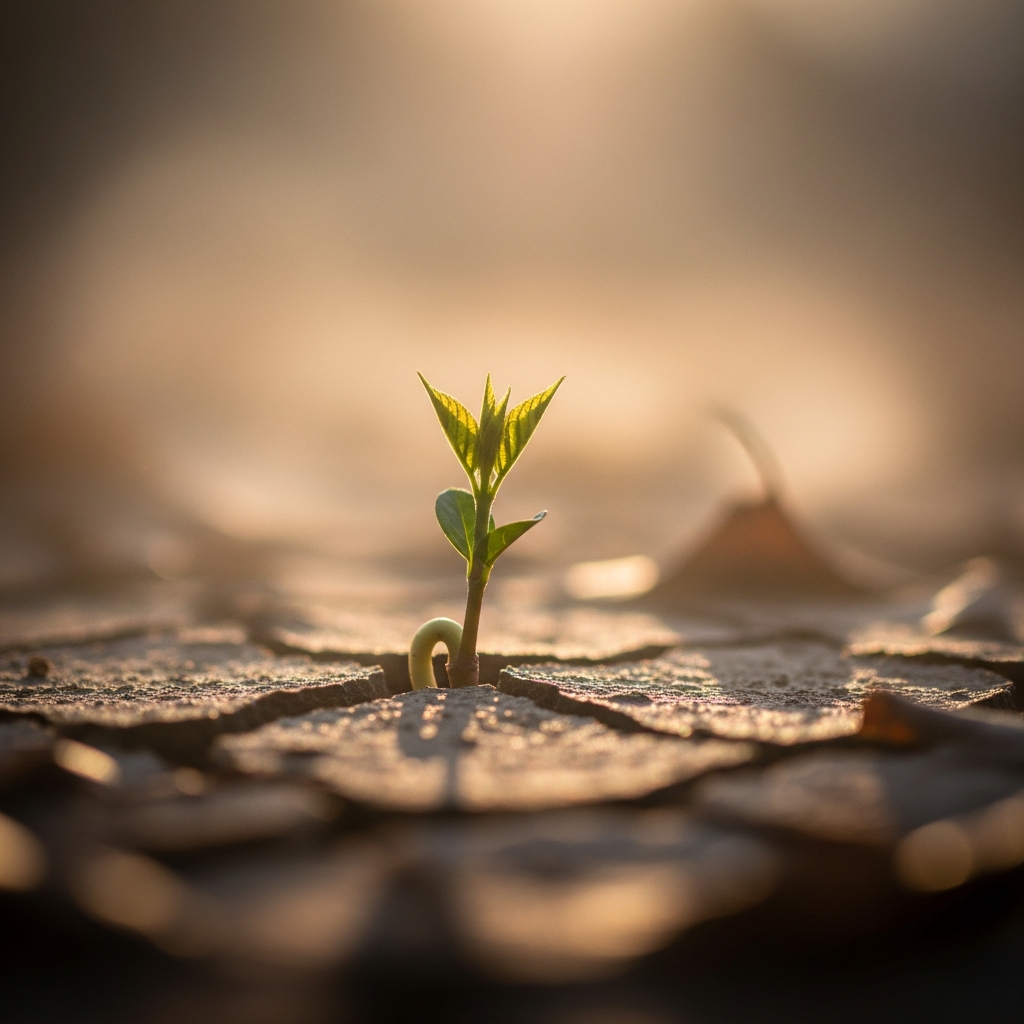
Nature has a unique way of reflecting our own experiences back to us. In our fast-paced world, we often crave instant results and quick fixes. Our journeys toward wellness and healing need us to embrace the idea of invisible progress. This is much like that of the spider. It’s a comforting reminder that even in stillness, much can happen beneath the surface. It waits for the right moment to shine through.
The Illusion of “Doing Nothing”
When that spider sat frozen on the wall for a week, it wasn’t resting out of laziness. It was engaged in one of the most metabolically expensive processes in biology: building entirely new tissue. It had to shut down all non-essential movement to funnel every ounce of its energy into cellular repair.
As humans, we are heavily conditioned to believe that healing and wellness must be visible, active, and constant. We admire the “hustle” mindset and look for quick results—like a burst of energy, reduced inflammation, or a fast fix for a chronic issue. We do not see these changes right after a nutrient-dense meal or a good night’s sleep. As a result, we assume the process isn’t working.
But our bodies do not operate on a timeline of instant gratification. The most profound healing occurs on a microscopic level. It can happen even when we feel like we are doing nothing at all.
The Microscopic Reality of Repair
When you look at human health through the lens of biotechnology and microbiology, this concept of unseen progress is everywhere.
Consider the gut microbiome. When we are trying to heal our digestion or boost our immunity, we might start eating the right prebiotic fibers and focusing on nutrient synergy. But the results aren’t instantaneous. It takes time for the mucosal lining of the gut to slowly turn over. It takes time for beneficial bacterial colonies to re-establish their populations, outcompete harmful microbes, and begin producing the short-chain fatty acids that lower systemic inflammation.
You cannot see these microscopic colonies shifting. You can’t track cellular turnover in the mirror. You simply have to trust the biology and give your cells the time they need to rebuild the foundation.
Shedding the Exoskeleton of Stress
To understand why this invisible healing takes so much time—and so much stillness—we have to look at how our bodies allocate energy.
A spider cannot reveal its newly healed limbs without eventually molting—shedding its old, restrictive outer shell. Similarly, we cannot truly heal while trapped in a rigid state of chronic stress. When we are constantly pushing ourselves, our bodies are locked in a sympathetic nervous system state (fight or flight). In this state, biological resources are diverted toward immediate survival, not long-term cellular repair.
True regeneration can only happen when the body feels safe enough to enter a parasympathetic state (rest and digest). We have to chemically “molt” our stress by lowering cortisol levels to allow the body to do its quiet work.
The Science of Silent Healing:
Autophagy and Cellular Scaffolding
When we take a moment to look deeper into our bodies—beyond the gut microbiome and into the very cells that make us who we are—we realize that moments of rest are not simply times of inactivity. They are vital periods of profound healing and repair.
One of the most remarkable processes involved in this healing is autophagy, which means “self-eating.” During states of deep rest, fasting, or when our bodies shift into recovery mode, our cells actively work to identify and break down their own damaged components, such as misfolded proteins and non-functioning organelles. To an outside observer, you might seem to be just resting or sleeping, but internally, your cells are busy tidying up, clearing away the biological “debris” that can lead to premature aging and chronic illness. This gentle, yet powerful process is a true form of silent healing.
Similarly, when we experience tissue damage, we often find ourselves eagerly waiting for visible signs of recovery, such as a wound closing or pain subsiding. Yet, long before these signs appear, specialized cells known as fibroblasts are working hard beneath the surface, quietly helping to repair our bodies. These cells synthesize collagen and create a complex extracellular matrix—an intricate scaffolding that serves as the foundation for proper healing. Just like a spider carefully spinning its web, our bodies are in a delicate dance, building this essential structure before our tissues can function fully again.
It’s crucial to understand that both autophagy and the work of fibroblasts cannot be rushed. These remarkable mechanisms of cellular cleanup and repair demand one thing from us: the patience to let the body rest. Embracing this journey of silent healing can lead us toward renewed health and vitality.

Trusting the Process
If that spider on my wall had forced itself to move before its new legs were fully formed beneath the exoskeleton, it wouldn’t have survived. It had to surrender to the stillness.
True healing happens beneath the surface. Whether you are repopulating a damaged gut microbiome, recovering from exhaustion, or building a new healthy habit, the foundational work happens out of sight long before the results are visible to the outside world. Keep providing your body with the right environment, and let the biology of patience do the rest.
Leave a Reply