Tag: wellness

  • The Nutrient Illusion: Why Your Gut’s “Microsociety” is the Cure for Hidden Hunger

    The Nutrient Illusion: Why Your Gut’s “Microsociety” is the Cure for Hidden Hunger

    The Nutrient Illusion

    We are living in a modern nutritional paradox. Today, we have access to more calorie-dense, vitamin-fortified, and organic foods than any other generation in history. Yet, millions of people are walking around quietly malnourished, suffering from a condition known as Hidden Hunger.

    Hidden hunger is a chronic lack of essential micronutrients (like iron, zinc, and calcium). It causes persistent fatigue, brain fog, and a weakened immune system, even if you are eating what looks like a perfectly healthy diet.

    How can this be? It boils down to the Nutrient Illusion: you are not what you eat; you are what you can absorb. Many people invest heavily in premium supplements and organic foods, only to have those nutrients go to waste. The real issue isn’t the food on our plates; it’s the biological infrastructure within our gut that determines how effectively we can access those nutrients.

    Welcome to the Microsociety: Your Internal Extraction Factory

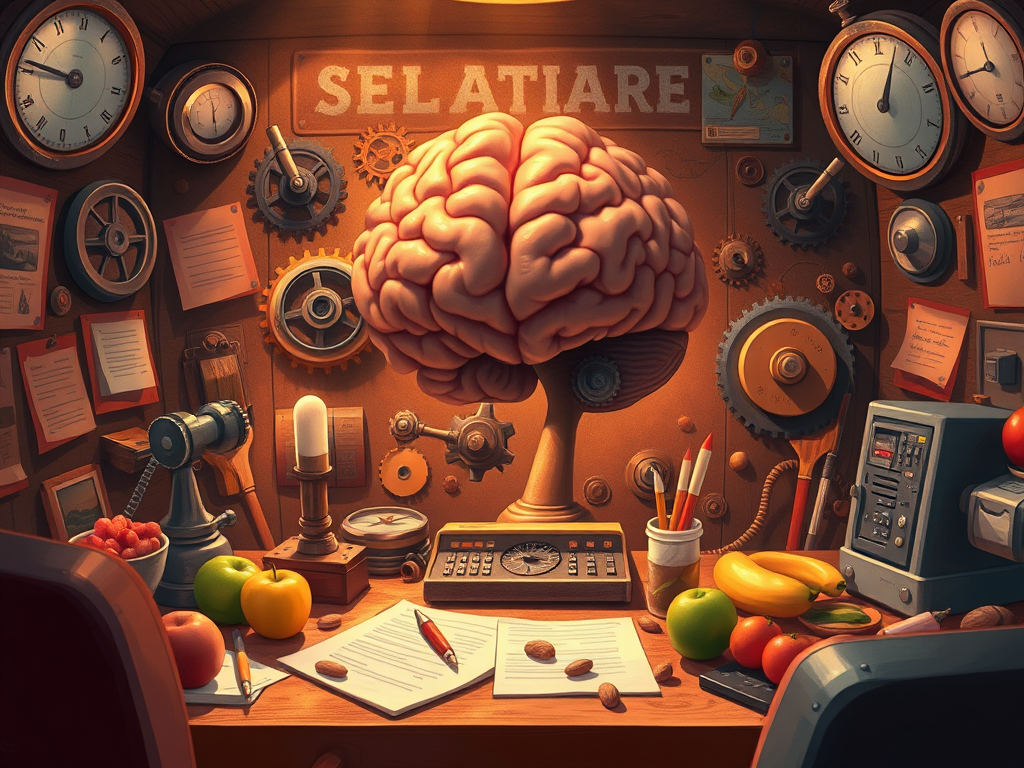
    To tackle the issue of hidden hunger, we need to rethink how we view our digestive system. Think of your gut as a busy little city (microsociety) rather than just a simple tube that processes food.

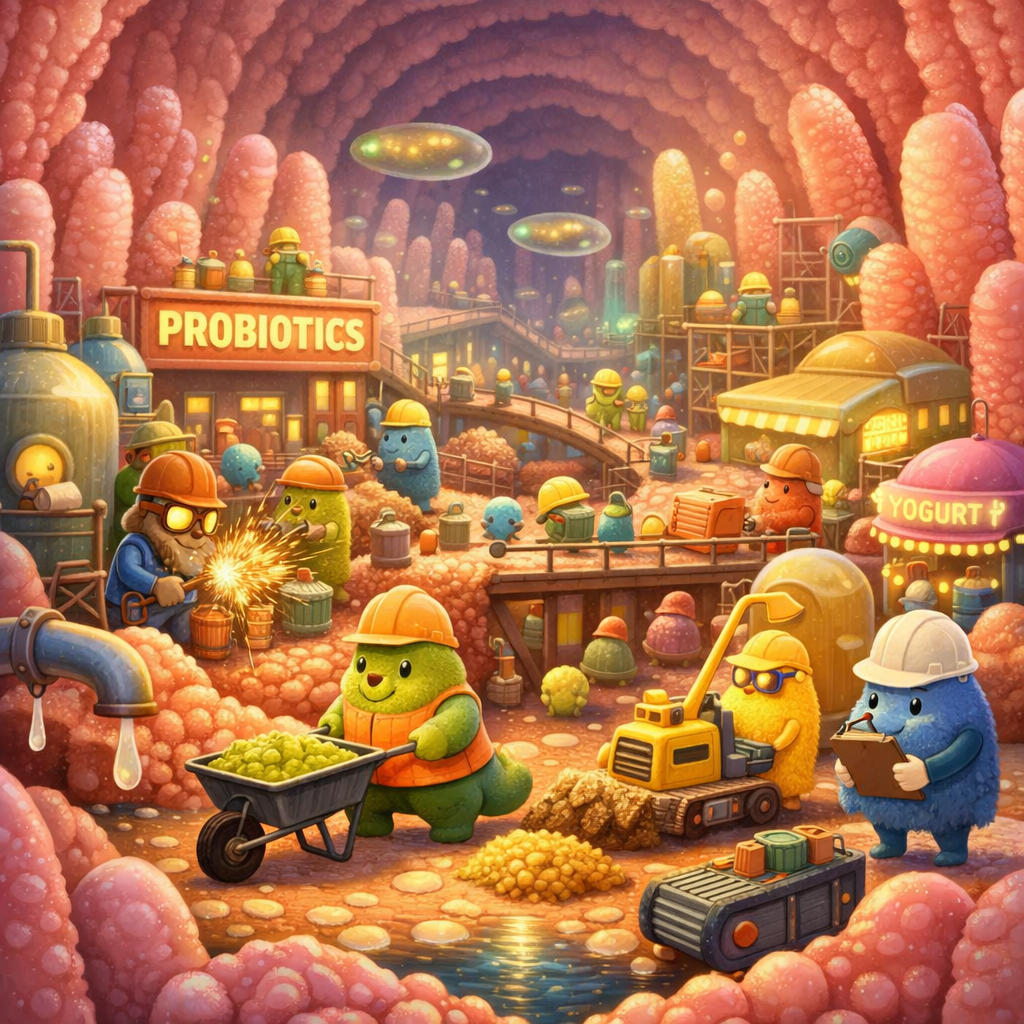
    Imagine a microscopic city populated by 100 trillion workers; each with their own specific jobs to keep everything running smoothly

    • The Breakdown Crews: Strains like Lactobacillaceae are special bacteria that act like heavy machinery, breaking down tough plant fibers that our stomach acid alone can’t handle.
    • The Chemical Engineers: Some bacteria are responsible for making essential nutrients that our bodies need but can’t get from food alone, like Vitamin K and important B vitamins.
    • The Border Patrol: The microbes lining your intestinal walls act like a border patrol, making sure harmful germs stay out while allowing good nutrients to enter your bloodstream safely.

    Microscopic Synergy: How the Assembly Line Works

    Human digestion on its own is actually quite weak. To effectively absorb minerals, we depend on a process known as Nutrient Synergy, which operates like a biological assembly line where different bacterial groups work together.

    Here’s how it works when you consume a complex carbohydrate:

    1. Step 1: “Worker A” (a specific bacterial strain) digests the tough fiber and produces a metabolic byproduct.
    2. Step 2: “Worker B” takes that exact byproduct and ferments it into Short-Chain Fatty Acids (SCFAs).
    3. Step 3: These SCFAs slightly lower the pH of your colon. This acidic shift acts like a “key” that unlocks stubborn minerals such as calcium and iron, making them available for absorption into your bloodstream

    Additionally, this bacterial workforce even acts as a defense mechanism. Certain microbes are specifically tasked with dismantling anti-nutrients (like phytic acid found in raw grains and legumes) that would otherwise trap your minerals and cause hidden hunger.

    When the City Strikes: The Real Cause of Hidden Hunger

    What happens to this highly coordinated assembly line when we experience chronic stress, rely on ultra-processed foods, or ignore our 24-hour microbial clock?

    The result is a collapse of this microscopic community, known as gut dysbiosis.

    When you deprive this community of its preferred fuel—plant fiber—the breakdown crews begin to die off. As a result, the chemical engineers stop producing essential vitamins, and the assembly line comes to a halt. This is when Hidden Hunger takes root. You may consume the most nutrient-dense meal on the planet, but without your microscopic workforce to unlock, synthesize, and transport those nutrients, your body can starve at a cellular level.

    Action Plan: 3 Ways to Rebuild Your Nutrient Factory

    To address hidden hunger, you don’t necessarily need more expensive supplements; instead, you need to restore your gut microbiome. Here are three ways to rebuild your internal community:

    • Provide the Raw Materials: Your gut microbiota require diverse plant fibers to function effectively. Aim to consume 30 different types of plants each week, including nuts, seeds, herbs, and legumes. This diversity ensures that every “neighborhood” in your gut has the specific nutrients it needs to thrive.
    • Hire New Workers: Introduce active, beneficial bacteria into your gut by consuming fermented foods. Traditional staples like a fresh bowl of yogurt or other fermented foods are rich in the living bacterial strains necessary to restart your nutrient extraction processes.
    • Protect the Infrastructure: Even a bustling city needs the lights turned off to repair the roads. Respect your body’s natural 12-hour microbial shift and know your chronotype. If you finish dinner at 8:00 PM, give your gut until 8:00 AM or stop all caloric intake at least two hours before bed. This allows the body to perform cellular cleanup and repair the delicate lining where nutrient absorption actually happens.

    Final Thoughts

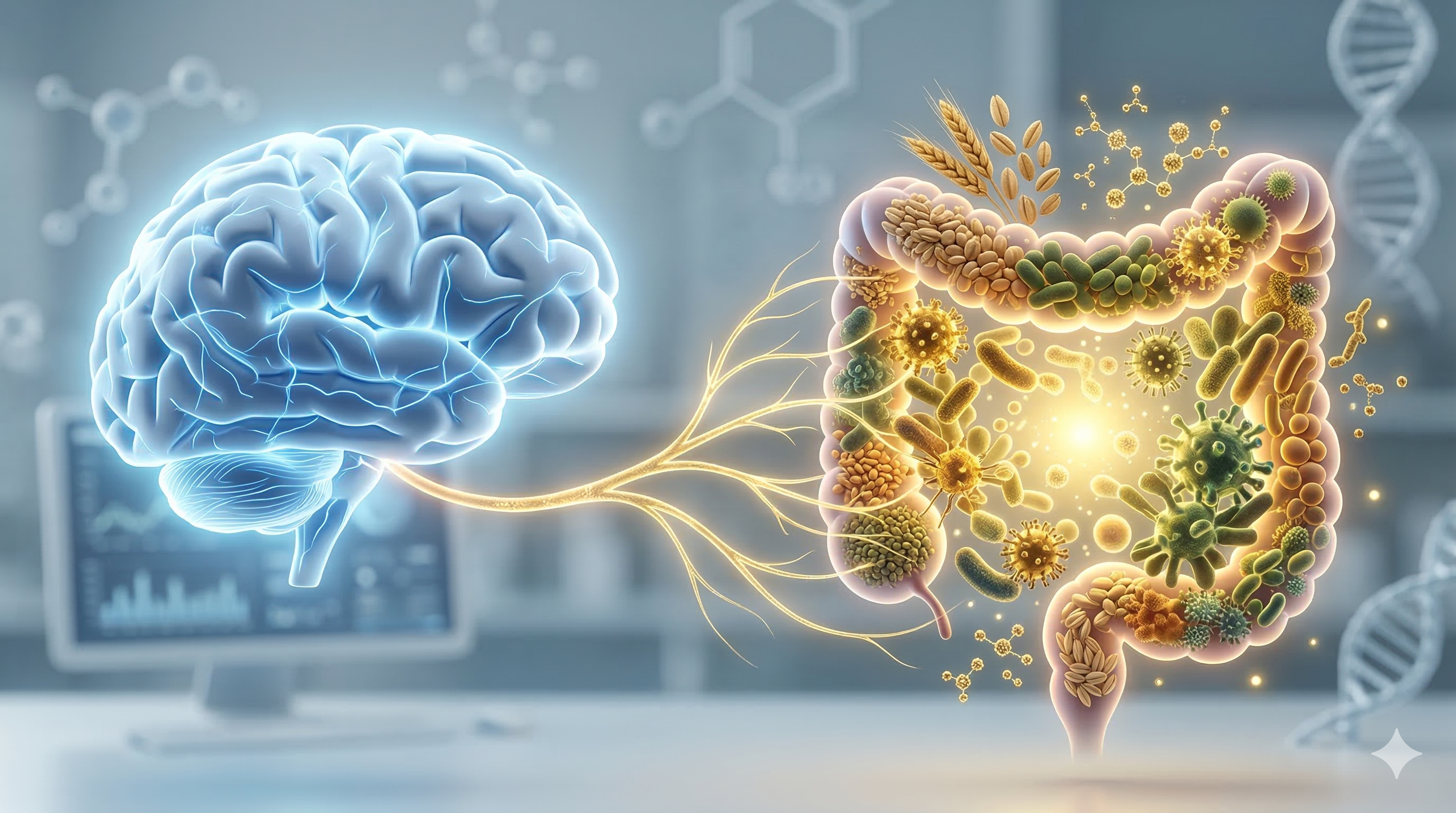
    The next time you sit down to eat, remember that you are feeding more than just yourself. You are governing a thriving, complex, internal city—the incredible microsociety visualized so vividly in the preceding illustrations. As both the glowing Gut-City visualization and the practical chronotype guide (like that “No-Fly Zone” above) emphasize, protecting your microbial citizens is an around-the-clock commitment. By feeding them the diverse plant fibers and fermented foods they need, you provide the raw materials for a robust, synergistic nutrition extraction factory.

    Only by honoring their operational hours, protecting their infrastructure, and providing the resources they need can your internal ecosystem truly cure Hidden Hunger from the inside out. Your body deserves nothing less.

  • The “Family Cloud”: How We Share Our Microbiome

    The “Family Cloud”: How We Share Our Microbiome

    What Exactly is a “Microbial Cloud”?

    Every single one of us has an invisible aura. It’s not a spiritual aura, but a biological one: a personal microbial cloud.

    Research indicates that the moment you enter an empty room, you begin to alter its biological composition. Within just a few days, the environment inside a home changes to resemble the microbes of its occupants.Whether you are actively chasing a toddler through the living room or simply sitting quietly at a desk, you are constantly seeding your environment.

    You are constantly seeding your environment through three primary mechanisms:

    1. Direct Contact: Every time you touch a doorknob, a countertop, or a shared towel, you leave behind bacteria unique to your body.

    2. The “Bioaerosol” Emission: This is where it gets fascinating. With every breath you take, and through the natural shedding of skin and hair, you release small airborne particles. A person sheds about one million (10^6) particles every hour. Many of these carry your unique bacteria directly into the air you share with your family.

    3. The Dust Resuspension: As we move around—especially in busy households where multiple generations share a space—we disturb settled indoor dust. This dust is laden with previously shed skin cells and microbes, that get released back into the air.

    Your home is a living, breathing reflection of the people inside it.

    The Science of Sharing: How Your Family Swaps Bacteria Daily

    When you live under the same roof, you share more than just space, chores, and meals—you share an entire biological ecosystem.

    1. Your Hands: Research shows that our hands harbor three times more bacteria than our forearms or elbows. Because we constantly touch shared surfaces, pets, and loved ones. Genera like Firmicutes and Bacteroidetes use our hands to hitch a ride from one family member to another. While short-term environmental exposure changes your skin’s bacteria temporarily, living in a shared space long-term fundamentally alters your baseline skin microbiome to closely match your family’s.

    2. The Mouth and the “Holobiont” Family: While your skin microbiome fluctuates throughout the day, your oral microbiome is highly stable and fiercely protected. Yet, it is deeply influenced by your closest relationships. Every time you kiss your partner, or test a spoonful of food to check the temperature before feeding your toddler, you are actively transmitting microbes.

    This deep, generational sharing has led researchers to explore families through the lens of a “holobiont”—a fascinating concept where a couple or a family can actually be viewed as a single, combined super-organism sharing a unified microbial community.

    The “Old Friends” Hypothesis: Is Sharing Healthy?

    Hearing about all this bacterial swapping might make you want to grab the hand sanitizer, but don’t overdo it! This brings us to the “Old Friends” hypothesis.

    While basic hygiene is essential to stop the spread of true pathogens (like foodborne or respiratory infections), over-sanitizing our homes destroys our microbial diversity. Consistent exposure to a shared family environment facilitates a healthy microbial exchange. This exposure acts like a training camp for your immune system, helping to develop immunoregulatory microbiota that can actually lower the risk of immune-mediated diseases, such as asthma and allergies.

    (Bonus Fact: Do you have a dog? Studies show that dog ownership significantly increases the shared skin microbiota among cohabiting adults. You actually share more skin microbes with your own dog than you do with other people outside your home!)

    Do Children and Toddlers Change the Household Microbiome?

    If you have ever watched an almost four-year-old explore a house, you are witnessing a masterclass in microbiology. They touch the floor, grab a toy, hug a grandparent, and then almost immediately put their hands in their mouths. In the world of science, we call objects that transfer bacteria—like door knobs, blocks, or remote controls—fomites.

    examples of fomites

    Little ones are powerful drivers of the “Family Cloud” for three reasons:

    • Stirring the Air: Running and jumping violently resuspends settled dust, mixing everyone’s microbes into a unified household cloud.
    • The Generational Bridge: In a shared ancestral home, a child blends the highly stable, mature microbiome of older adults (like grandparents) with their own rapidly developing ecosystem.
    • Immune Training: According to the “Old Friends” hypothesis, a child’s immune system needs constant, low-level exposure to diverse household bacteria. Pulling in harmless bacteria from the family trains their body not to overreact, lowering the risk of asthma and allergies.

    When your child acts as a microbial magnet, pulling in harmless bacteria from you, their grandparents, and their environment, they are actively training their immune system. So, the next time your little one is zooming around the house, leaving a trail of toys behind them, take a deep breath. They aren’t just making a mess; they are building your family’s collective immune shield.

    Generational Gut Health: The Benefits of a Shared Household

    Public health experts have long recognized that social isolation is harmful. Strong social relationships and living in integrated communities provide health benefits comparable to quitting smoking or maintaining a healthy weight.

    Why does socializing promote physical health? As a biotech researcher, I find that our relationships nourish our microbiome. Sharing a home means engaging in a generational exchange of biology.

    Massive studies show that while genetics influences some gut bacteria, shared environments determine their actual presence. Furthermore, specific bacterial strains are passed down for three to four generations. The highest transmission rates occur between mothers and daughters. By raising a daughter in a deeply connected household, you are helping her inherit your unique bacterial strains—which likely include those from your own grandmother!

    A lively household doesn’t just cultivate connections; it also nurtures our health and well-being, reinforcing the importance of relationships for lasting family health.

    Action Plan: 4 Ways to Cultivate a Thriving Household Microbiome

    Understanding the “Family Cloud” changes how we look at our homes. The goal is no longer to live in a sterile bubble, but to cultivate a diverse, healthy indoor ecosystem. Here are four science-backed ways to enrich your shared microbial environment:

    1. Share the Menu (and the Microbes): Because food dictates the gut microbiome, eating the same meals is one of the fastest ways to sync your family’s biology. Focus on shared family meals rich in diverse plant fibres (aiming for 30 different types of plants a week) to nourish your collective bacteria.

    2. Clean, Do Not Sterilize: Aggressively sanitizing your entire home destroys the beneficial bacteria your immune system relies on. Stick to simple soap and water for everyday messes.

    3. Ventilate Your Cloud:If your house is sealed tight with AC, you are recirculating stale bioaerosols. Open your windows for 15 to 30 minutes every morning to flush out stale air and introduce fresh, outdoor environmental microbes

    4. Let the “Microbial Magnet” Do Its Job: When the little ones are crawling on the floor or playing in the dirt, they are gathering vital environmental data for the family cloud. Encourage this messy play, then just wash their hands with plain soap before dinner.

    Final Thoughts: Biology is Built Together

    The next time your home feels noisy, busy, or a bit chaotic, remember the invisible magic happening all around you. Our bodies were never meant to exist in isolation. By sharing a home, sharing meals, and sharing our microbes, we continuously pass down a biological legacy of resilience.

  • The Selfish Brain: Fueling Your Child for Academic Success

    The Selfish Brain: Fueling Your Child for Academic Success

    The Brain is a Hungry Engine

    Exam preparation requires deliberate planning, effective time management, and a healthy diet. If you have watched the movie Inside Out, you might know what is happening inside your child’s head right now.

    Imagine their brain as “Headquarters.” During exam season, anxiety is probably in charge rather than just joy or sadness. She is working quickly, pulling levers, looking through her notes frantically, and making “scenario simulations” of the exam paper.

    There is a price for all of this madness at the control console.

    Biologically, the brain is a hungry engine. It makes up only 2% of your child’s body weight, but it uses up 20% of their daily energy. During intense studying (or when Anxiety is pushing the buttons), that demand spikes even higher.

    The Science: Your Child’s Brain is “Selfish” 

    You might think I am exaggerating with the movie comparison, but neuroscientists have a term for this phenomenon: The Selfish Brain Theory.

    According to research, when your child is under acute stress (like an exam), the brain behaves “selfishly.” It realizes it needs massive amounts of energy to process data, so it triggers a biological blockade. It actively suppresses insulin to stop the muscles and fat from absorbing sugar, keeping all the glucose in the blood stream for itself.

    In simple terms: The brain locks the fridge and tells the rest of the body, “Starve if you have to, but I need to eat first.”

    This is why students often look physically drained or lose weight during finals, even if they are just sitting in a chair. Their brain is literally draining the body’s resources to keep the “Headquarters” functioning.

    The problem? Most students try to power this high-tech headquarters with low-quality fuel: chips, biscuits, and sugary tea. This is like trying to operate a supercomputer on a cheap battery. It works for 20 minutes, and then the system crashes.

    As a biotechnologist (and a parent), here is my guide to the “High-Performance Protocol“—the specific nutrients that keep the lights on at headquarters when it matters most.

    The High-Performance Protocol:

    4 Nutrients to Keep the Lights On

    Most parents focus on calories (is he full?), but for academic success, we need to focus on chemistry.

    Here are the four non-negotiable nutrients that build the hardware of a learning brain. Learn exactly how to get them into your child’s diet.

    • The Wiring Insulation: Omega-3 Fatty Acids (DHA):
      The Science: Your child’s brain is 60% fat. The most critical type is DHA (Docosahexaenoic acid), which provides insulation. This enables quicker thinking, better focus, and improved reading skills.
      • Foods rich in DHA: Fatty fish (Salmon, Mackerel, Sardines).
        The Backup: Walnuts, Chia seeds, and Flaxseeds (ALA)
        Parent Hack: If they hate fish, try “Fish Cakes” mixed with mashed potatoes, or a high-quality algae-oil supplement.
    • The Messenger Service: Choline
      The Science: Choline is the raw material for Acetylcholine, the neurotransmitter responsible for memory and focus. It is literally the chemical messenger that takes a fact from the blackboard and stamps it into the hard drive.
      • The Star: Whole Eggs.
        The Backup: Cauliflower, Liver, and Soybeans.
        Parent Hack: “Brainy Breakfast” = 2 scrambled eggs. It provides nearly half the daily choline requirement for a school-aged child.
    • The Oxygen Trucks: Iron
      The Science: The brain is an energy hog; it uses 20% of the body’s oxygen. Iron is the vehicle (Hemoglobin) that carries that oxygen to the brain cells. Iron deficiency is the cause of fatigue and poor concentration in schoolchildren.
      • The Star: Red meat, Lentils (Dal), and Spinach.
        The Booster: Always pair iron with Vitamin C (lemon juice, oranges, or peppers) to triple the absorption.
        Parent Hack: Squeeze lemon over their Dal or Poha. It’s a simple chemistry trick that maximizes fuel delivery.
    • The Steady Voltage: Complex Carbohydrates
      The Science: The brain has no battery backup; it runs exclusively on glucose. But it needs a steady trickle, not a firehouse. Simple sugars cause a spike and a drop, leading to mid-morning irritability. Complex carbs deliver a slow-release energy stream that lasts until lunch.
        • The Star: Oats, Brown Rice, Quinoa, and Whole Wheat.
          The Villain: Sugary cereals and white bread (which act like a power surge that blows a fuse).
          Parent Hack: Switch to “Steel-Cut Oats” or add a handful of nuts to their porridge to slow down digestion even further.

      Summary Box for Parents

      The “Exam Morning” Menu
      Breakfast: Scrambled Eggs (Choline) + Whole Wheat Toast (Steady Glucose).
      Snack: A handful of Walnuts (Omega-3s) + an Orange (Vitamin C to boost Iron).
      Lunch: Lentil Soup/Dal (Iron) + Brown Rice (Complex Carb).

      The Final Grade: Consistency Over Perfection

      As parents, we often worry about finding the right tutors, the best textbooks, and setting screen-time limits. However, the most powerful educational tool we have is right there in our kitchen. Before a child can memorize a math formula or write an essay, their biology must be functioning well. By shifting our focus from merely “filling them up” to “wiring their brain,” we provide them with the essential chemical foundation they need to truly absorb what they learn.

      Your Action Plan for Tomorrow Morning: You don’t need to completely overhaul your pantry overnight. In fact, attempting to replace every snack with sardines and spinach might lead to a full-scale rebellion! Start small. Swap sugary cereal for oatmeal just two days a week. Add an extra egg yolk to their breakfast. Squeeze a little lemon over iron-rich dal. The goal isn’t to create a picture-perfect, laboratory-controlled diet. Instead, the aim is to provide consistent biological fuel. Every time you offer DHA, choline, iron, or complex carbohydrates, you are laying another brick in their cognitive foundation. Keep their brain well-fueled, and watch them shine in the classroom.

      Ready to start, but dealing with a picky eater? Knowing what to feed your child’s brain is only half the battle. Actually getting them to eat it without a dinnertime meltdown is the real challenge.

      That is exactly why I created The Picky Eater’s Brain Food Guide. Inside this free PDF, you will find my top 5 “stealth” recipes designed to hide DHA, Choline, Iron, and Complex Carbs inside the everyday foods your child already loves—no dinner table drama required.

      👇 [ CLICK HERE TO DOWNLOAD YOUR FREE GUIDE ] 👇 Keep the lights on at headquarters, effortlessly.

    • Brain Fuel for Babies: How DHA Shapes the Smartest Start in Life

      Brain Fuel for Babies: How DHA Shapes the Smartest Start in Life

      Discover how DHA supports your baby’s brain and vision development from pregnancy to infancy.

      Introduction — The Hidden Architect

      In your baby’s first year, their brain isn’t just growing; it is wiring itself. It forms over one million new neural connections every single second.

      At the heart of this biological construction site is DHA (docosahexaenoic acid). While most parents focus on calcium for bones or iron for energy, DHA is often overlooked. Yet, as a scientist, I view DHA as the “cement” of the brain. It is the structural fat that literally builds the brain and eyes, defining your child’s potential for focus, vision, and emotional balance before they even say their first word.

      What Exactly Is DHA? (The Science)

      DHA isn’t just “fat”; it is a structural component. It makes up:

      • Nearly 40% of the polyunsaturated fats in the brain.
      • Around 60% of the retina (eyes).

      Think of nerve signals like electricity. DHA provides the insulation (myelin sheaths) that allows those signals to travel quickly and efficiently. Without enough of it, the “internet connection” in the brain is slower.

      Since the human body is inefficient at making DHA, it must be “imported” through the mother’s diet or supplementation.

      How DHA Physically Shapes the Baby Brain

      When we talk about infant nutrition, DHA is not just a supportive vitamin—it is a fundamental building block of the brain itself. During the first two years of a child’s life, the brain undergoes a period of massive, rapid structural growth, reaching roughly 80% of its adult size.During this critical window, DHA accounts for 90% to 95% of the total omega-3 fatty acids found in neural tissue. It is selectively incorporated directly into the neuronal membranes, which dictates how the brain physically wires itself. Adequate DHA status supports three distinct neurodevelopmental processes:

      Neurogenesis: The rapid creation and proliferation of new brain cells.

      Synaptogenesis: The formation of complex neural connections, which serve as the foundation for learning, memory, and cognitive processing.

      Membrane Fluidity: DHA keeps the neuronal membranes flexible, ensuring that neurotransmitters can fire rapidly and efficiently across synapses. Without it, cellular communication slows down.

      Does DHA help baby brain development?

      Yes. The science is clear that DHA powers three critical areas:

      1. Vision Development DHA accumulates rapidly in the retina during the last trimester.

      • The Evidence: The famous DINO Trial (Makrides et al., 2009) found that babies of mothers with higher DHA levels had significantly better visual sharpness by 4 months of age.

      2. Cognitive Wiring DHA supports synaptogenesis—the creation of new synapses.

      • The Impact: Studies correlate higher prenatal DHA with better problem-solving skills and higher IQ scores at school age.

      3. Emotional Balance DHA influences the receptor function for serotonin and dopamine. It’s not just about being “smart”; it’s about being emotionally regulated.

      Quick Fact: The brain grows to nearly 80% of its adult size by age 2. This is why the window for DHA intake is so critical—you cannot easily “catch up” later.ily.

      The Mother–Baby Connection:

      Mothers are the primary supply chain for DHA.

      • During Pregnancy: DHA crosses the placenta, prioritized for the baby’s brain (often depleting the mother’s own stores, which is why “mom brain” happens!).
      • Post-Partum: Breast milk delivers DHA, but only if the mother is consuming it.

      Expert Prescription: The WHO recommends 200–300 mg of DHA daily for pregnant and breastfeeding moms.

      Kitchen Chemist Tip: If you start eating salmon or taking algae oil today, your breast milk DHA levels will rise within just a few weeks. It acts fast!

      The Blood-Brain Barrier: Why the Source of DHA Matters

      As a biotechnologist, one of the most fascinating aspects of infant neurodevelopment is how the body actually delivers these nutrients to the brain. Not all dietary DHA is treated equally by the body.The infant brain is protected by a highly selective checkpoint called the blood-brain barrier (BBB). The BBB prevents foreign or harmful substances from entering the central nervous system, but it also means nutrients need a specific “key” to get inside.For DHA, that key is a specialized chemical transporter called Mfsd2a. Research has revealed that DHA cannot efficiently cross the blood-brain barrier on its own. It must be converted by the liver into a specific, activated lipid form known as LPC-DHA (Lyso-Phosphatidyl-Choline DHA). Only when DHA is in this specific activated state can the Mfsd2a transporter pull it across the barrier to fuel the rapid growth of neural membranes.

      What If I Don’t Breastfeed?

      If breastfeeding isn’t possible, do not worry. DHA-fortified infant formulas are an excellent scientific solution. A comprehensive meta-analysis confirmed that babies fed DHA-enriched formula showed better visual focus and psychomotor development than those fed non-fortified formula.

      Kitchen Chemist Guide: Sources & Stability

      Here is where the chemistry matters. DHA is a highly unstable fat—it oxidizes (goes rancid) easily.

      1. The Best Sources

      • Fatty Fish (The Gold Standard): Salmon, sardines, anchovies, mackerel. (Aim for 2 servings/week).
      • Algal Oil (The Vegan Standard): This is where fish get their DHA! It is the cleanest plant-based source.
      • Fortified Foods: DHA-enriched eggs or milk.

      Parent Tip: Pair DHA-rich foods with a bit of healthy fat (like olive oil or avocado) — it boosts absorption

      2. The “Absorption Hack” DHA is fat-soluble. Never take your prenatal DHA supplement with just a glass of water or black coffee.

      • The Fix: Always take it with a meal containing some fat (avocado, olive oil, or yogurt) to maximize absorption.

      3. The “Freshness Rule” Because DHA oxidizes, smell your fish oil capsules. If they smell strongly fishy or rotten, they have oxidized. Throw them away—oxidized oil is inflammatory

      Summary: Nourish the Mind Before It Blooms

      From the womb to the first steps, DHA is nature’s brain builder. It is the difference between a brain that just survives and one that thrives.

      “Brains are built, not born—and DHA is the first brick in that foundation.”

      Want to learn more about infant neurodevelopment?

      Read my full biochemical breakdown on how missing micronutrients affect behavior and growth in my guide to hidden hunger in children.

      References

      • Makrides et al., DINO Trial (2009) – DHA and visual acuity in infants
      • American Journal of Clinical Nutrition (2018) – Prenatal DHA and cognitive function
      • Nutrients (2019) – DHA’s role in synaptogenesis
      • Meta-analysis (2010) – DHA-fortified formulas and psychomotor outcomes
      • Brenna et al., (2020) – Maternal DHA supplementation and breast milk levels

    • Can Your Gut Bacteria Affect Your Mood? The Science Behind the Gut-Brain Connection

      Can Your Gut Bacteria Affect Your Mood? The Science Behind the Gut-Brain Connection

      Your Gut is Your Second Brain: The Science of the Microbiota-Gut-Brain Axis

      What if the most powerful antidepressant in the world isn’t a pill — it’s a bowl of yogurt?

      That question would have sounded absurd a decade ago. Today, it sits at the center of one of the most exciting frontiers in modern medicine. As a Biotech researcher, I can tell you that your gut — often called your “second brain” — has a massive, underappreciated say in how you feel emotionally.

      For years, the idea that gut bacteria could influence mental health was considered fringe science. By 2026, the Microbiota-Gut-Brain Axis (MGBA) had firmly transitioned from emerging hypothesis to a primary pillar of mental health research and treatment. Let’s explore how your belly’s microbes are the key to mental resilience.

      This piece connects closely to my works on gut dysbiosis and fructose’s impact on the gut lining — if you haven’t read those, they provide useful grounding for what follows.

      What’s Living in Your Gut? The 95% Serotonin Rule

      Inside your gut lives a bustling community of trillions of microorganisms — bacteria, viruses, and fungi. These aren’t just passengers; they are a chemical factory. They help produce essential vitamins, regulate your immune system, and synthesize serotonin — the “happy chemical.”

      The Fact: Roughly 95% of your body’s serotonin is produced in the gut, not the brain.

      An important nuance: Gut serotonin doesn’t cross the blood-brain barrier directly. Its influence on mood is more subtle, working through the vagus nerve and other signalling pathways rather than flowing straight to the brain. This is precisely what makes the gut-brain relationship so fascinating — and so complex.

      The Problem: When this delicate balance is disturbed — a condition called gut dysbiosis — it creates a neurochemical ripple effect that reaches your mind and often manifests as anxiety or “brain fog.”

      The Highway Between Your Gut and Brain: The Vagus Nerve

      To understand the MGBA, you need to meet its primary infrastructure: the vagus nerve.

      This long, wandering nerve is the physical highway of the underground messaging network — stretching from your brainstem all the way down to your gut, passing through your heart and lungs along the way. What makes it remarkable is the direction of traffic. Roughly 80% of the signals travelling along the vagus nerve move upward — from gut to brain, not the other way around. Your gut is quite literally talking to your brain far more than your brain talks to your gut.

      This is not a one-way broadcast either. The MGBA is bidirectional — stress and anxiety from the brain also travel downward, disrupting gut bacteria and worsening dysbiosis. This creates a vicious cycle that is now well-documented in clinical research: a disrupted gut worsens mental health, and worsening mental health further disrupts the gut. Breaking this cycle requires addressing both ends of the network simultaneously.

      The Science: Gut Imbalance and Depression

      Can bad gut health cause depression or anxiety? The latest research suggests a direct and meaningful link — though it is worth noting that in humans, much of this evidence is still correlational rather than fully causal. The direction is clear; the precise mechanisms are still being mapped.

      The Amygdala Switch (2025): Research from Duke-NUS Medical School identified indoles — metabolites produced by gut bacteria — that act as direct regulators of the brain’s amygdala, the region that controls our fear and anxiety responses. When gut bacteria are depleted, indole production drops, and the amygdala loses a key calming signal.

      The Mouse Study: A landmark study in Nature Communications showed that transplanting gut bacteria from “depressed” mice into healthy mice caused the healthy mice to begin displaying signs of depressive behavior. While animal studies don’t always translate directly to humans, this finding established a powerful proof of concept and opened a productive line of human research that continues today.

      The eCB Connection: Scientists discovered that an unhealthy gut disrupts the body’s endocannabinoid system (eCB) — the system responsible for regulating mood and neurogenesis (the birth of new brain cells) in the hippocampus. When the messaging network goes down, this regulatory system loses its balance.

      Psychobiotics: A New Signal for the Network

      This research has birthed an entirely new field: Psychobiotics — specific probiotic strains used to directly support mental health by restoring signal clarity in the gut-brain network.

      The Human Proof (2025 Data): A randomized trial published in Brain Sciences followed adults across New Delhi, Kolkata, and Pune. Those taking a specific psychobiotic blend of L. rhamnosus and B. longum for 12 weeks saw a 7.4% improvement in sleep efficiency and significantly lower anxiety scores compared to the placebo group.

      This study deserves particular attention. Most psychobiotic research emerges from Western university settings and tests interventions on populations with very different dietary baselines. This Indian trial matters because it tests these findings on populations with distinct gut microbiome compositions — shaped by traditional South Asian diets, spice exposure, and fermented food cultures — making its results directly relevant to millions of readers who rarely see their dietary context reflected in clinical research.

      To restore a healthy messaging network, research now points to three key pillars:

      • Postbiotics: The beneficial byproducts produced when your bacteria digest fiber — most notably Butyrate, a short-chain fatty acid that crosses the blood-brain barrier and actively protects brain tissue.
      • Prebiotics: The fuel for your beneficial bacteria — found in bananas, garlic, onions, and oats.
      • Probiotics: Live beneficial bacteria themselves — found in yogurt, kimchi, and kefir.
      Diagram showing how normal gut and dysbiotic gut affect the brain health

      Healing from the Inside: Your Action Plan

      The good news? Your gut is remarkably flexible. You can begin shifting your microbiome meaningfully in as little as 24 hours by making these changes:

      1. Adopt a Mediterranean-style diet: Rich in vegetables, whole grains, legumes, and healthy fats like olive oil. This dietary pattern has the strongest evidence base for both gut and mental health.
      2. Diversify your fiber sources: Aim for 30 different plant foods per week to feed a wider range of beneficial bacterial strains. This doesn’t mean 30 separate meals — herbs, spices, and seeds all count.
      3. Embrace fermented foods daily: Yogurt, kefir, kimchi, miso, and traditional Indian fermented foods like idli and dhokla all introduce beneficial live cultures into your gut. Even a small daily serving makes a measurable difference.
      4. Choose mindful probiotics: For targeted mental health support, look specifically for strains like L. plantarum or B. longum, which have been clinically studied for stress and anxiety reduction.

      What We Don’t Know Yet

      The science is genuinely exciting — but intellectual honesty matters, especially on a topic as personal as mental health.

      We do not yet have a standardized “mental health probiotic.” Individual microbiome variation is enormous, meaning the same intervention can produce meaningfully different results in different people. Most human trials in this field are still relatively short and small in scale. And while the correlation between gut dysbiosis and depression is strong and consistent, the precise causal mechanisms in humans are still being mapped.

      What the research does tell us clearly is the direction — and that direction points firmly and consistently toward the gut. The network is real. The signals are real. And the tools to strengthen them are, remarkably, available in your kitchen right now.

      Final Thoughts: It Starts in Your Gut

      We can’t always control external stressors, but we can control the environment inside our bodies. Every meal is an opportunity to either strengthen or weaken your gut-brain messaging network. A diverse, fiber-rich, fermented-food-friendly diet doesn’t just feed your microbiome — it restores signal clarity, supports your amygdala, and builds the kind of mental resilience that no external circumstance can easily take away.

      If you read blogs about how fructose affects your liver, gut health, and brain signals, you will see that these topics are connected. They tell one story. The decisions you make while eating influence everything, from your gut to your mind, in ways that science is just starting to understand.

      Your mental resilience doesn’t start in your mind. It starts in your gut — and it starts at your next meal.

      A happy gut, a happy me.”

    • The Post-Antibiotic Era: What Happens When Medicines Stop Working?

      The Post-Antibiotic Era: What Happens When Medicines Stop Working?

      The post-antibiotic era isn’t a scene from a sci-fi movie. It’s a period where common infections become life-threatening again. These infections were once easily treatable.

      Introduction: The End of the Antibiotic Era?

      Since their discovery, antibiotics have saved millions of lives and transformed modern medicine. Yet, we are now entering a critical crossroads: antimicrobial resistance (AMR) is rising at an alarming rate.
      The World Health Organization (WHO) warns that by 2050, drug-resistant infections will kill more people each year than cancer.

      If antibiotics lose their effectiveness, even routine surgeries and minor injuries could once again become life-threatening. This looming crisis has ignited an urgent search for alternatives — natural, microbial, and technological — that might help us outsmart resistant pathogens.

      But a key question remains: Are these new therapies ready for everyday use?

      Why We Need Alternatives to Antibiotics

      Antibiotics are losing their edge because of three interlinked factors:

      1. Overuse: Excessive use in humans, livestock, and agriculture accelerates resistance.
      2. Spread of Superbugs: Strains like MRSA and CRE are spreading globally.
      3. Declining Drug Development: Few new antibiotics are reaching the market, as pharmaceutical incentives dwindle.

      Without new solutions, we risk slipping back into a pre-antibiotic age.

      Nature’s Hidden Arsenal: Emerging Alternatives

      Scientists are developing a diverse set of strategies to supplement or even replace antibiotics. Each offers a glimpse into a possible post-antibiotic future.

      1. Phage Therapy

      Bacteriophages — viruses that infect bacteria — can precisely target and destroy pathogens.

      • Advantage: Highly specific; they spare beneficial microbes.
      • Example: In 2019, a UK teenager was rescued from a deadly Mycobacterium infection using engineered phages.
      • Status: In clinical trials, with some compassionate-use success stories.

      2. Antimicrobial Peptides (AMPs)

      Small proteins such as defensins and frog-skin peptides that puncture bacterial membranes.

      • Advantage: Broad-spectrum activity against multiple pathogens.
      • Challenge: Expensive to produce and prone to degradation inside the body.

      3. CRISPR-Based Antimicrobials

      This gene-editing technology can disable resistance genes or selectively kill harmful bacteria.

      • Promise: Precision targeting with minimal collateral damage to healthy microbes.
      • Status: Still in preclinical research but holds immense potential for precision medicine.

      4. Microbiome-Based Therapies

      Harnessing “good” bacteria to outcompete pathogens.

      • Example: Fecal microbiota transplantation (FMT) already treats recurrent C. difficile infections.
      • Future Potential: Designer probiotics and live biotherapeutics may one day prevent or treat a range of infections.

      5. Nanotechnology

      Metallic and polymer-based nanoparticles can penetrate bacterial biofilms — protective layers that block many antibiotics.

      • Application: Used in wound dressings and antimicrobial coatings for medical surfaces.

      6. Immunotherapies and Vaccines

      Rather than attacking bacteria directly, these approaches boost the body’s immune defense.

      • Example: New vaccines are being developed to target resistant bacterial strains.

      Together, these innovations form the foundation of a post-antibiotic arsenal that may transform how we treat infection.


      From Lab to Pharmacy: How Accessible Are These Options?

      Scientific breakthroughs mean little without accessibility. Here’s how close some alternatives are to everyday use:

      TherapyAvailability
      ProbioticsReadily available in stores, mainly for wellness support rather than infection treatment.
      Silver-based nanoparticle dressingsUsed in hospitals, especially for burn care.
      Phage therapyOffered in specialized clinics (e.g., Georgia and Poland) under limited conditions.
      Fecal microbiota transplant (FMT)FDA-approved for certain gut infections in the U.S.

      While you can’t yet buy a “phage pill” at your local pharmacy, the transition has begun.


      The Road Ahead: What the Future Might Look Like

      Experts envision a blended future — not a world without antibiotics, but one where smarter, targeted, and sustainable therapies take center stage.

      • Precision Therapy: Custom phages or probiotics tailored to individual infections.
      • Preventive Medicine: Microbiome-based strategies and vaccines reduce antibiotic reliance.
      • At-Home Kits: Rapid infection tests linked to targeted treatments, much like COVID-19 test kits.
      • Combination Therapies: Nanoparticles, peptides, and low-dose antibiotics working together to outsmart resistance.

      The Challenges

      • Cost: Advanced therapies may initially be expensive, raising equity concerns.
      • Regulation: Agencies struggle to classify living or hybrid biological drugs.
      • Access: Ensuring these innovations reach lower-income regions is vital.
      • Public Awareness: Many people remain unaware of antibiotic alternatives or the importance of using antibiotics responsibly.

      Is It Realistically Possible for Common People?

      Short-term (Now – 5 years):
      Limited access to alternatives like FMT, probiotics, and silver-based wound care. Phage therapy remains experimental.

      Medium-term (5 – 15 years):
      Phage therapy and microbiome-based drugs enter wider clinical use. Hospitals adopt personalized infection testing.

      Long-term (15+ years):
      Pharmacies may offer “precision antimicrobials” crafted from personal microbiome profiles.
      Antibiotics persist, but as a backup tool — not the frontline defense.

      So yes — life after antibiotics is possible, but it will unfold gradually. Affordability and equitable access will determine how inclusive that future becomes.


      Scope for Future Work

      Future research should focus on scaling up production, standardizing regulatory frameworks, and evaluating long-term ecological effects of microbiome manipulation. Global policy must align innovation with public health goals to ensure that these advances benefit everyone — not just a privileged few.


      Takeaway: Living Smarter with Microbes

      We are not yet living in a fully post-antibiotic world, but we are building the foundation for one.
      For now, the most effective actions remain simple:

      • Use antibiotics responsibly.
      • Support your microbiome through diet, hygiene, and lifestyle.
      • Stay informed about new therapies as they move from labs to clinics.

      The future will not erase antibiotics — it will redefine our relationship with microbes.
      Our goal isn’t to win a war against them but to coexist more intelligently.

      What steps will you take today to help preserve tomorrow’s cures?

      Scientific References:

      • Bikard, D., et al. (2014) Exploiting CRISPR-Cas nucleases to produce sequence-specific antimicrobials.Nature Biotechnology, 32(11), 1146–1150.
      • Conlon, J. M. (2011) Structural diversity and species distribution of host-defense peptides in frog skin secretions.Cellular and Molecular Life Sciences, 68, 2303–2315.)
      • Dedrick, R. M., et al. (2019) Engineered bacteriophages for treatment of a patient with a disseminated drug-resistant Mycobacterium abscessus.Nature Medicine, 25(5), 730–733.
      • Micoli, F. et al. (2021) The role of vaccines in combatting antimicrobial resistance.Nature Reviews Microbiology, 19, 287–302.
      • Mullish, B. H., et al. (2024) The use of faecal microbiota transplant as treatment for recurrent or refractory Clostridioides difficile infection and other potential indications: second edition of joint British Society of Gastroenterology (BSG) and Healthcare Infection Society (HIS) guidelines.Journal of Hospital Infection, 148, 189–219.
      • O’Neill, J. (2014) Antimicrobial Resistance: Tackling a crisis for the health and wealth of nations.Review on Antimicrobial Resistance.
      • Paladini, F., & Pollini, M. (2019) Antimicrobial Silver Nanoparticles for Wound Healing Application: Progress and Future Trends.Materials, 12(16), 2577.